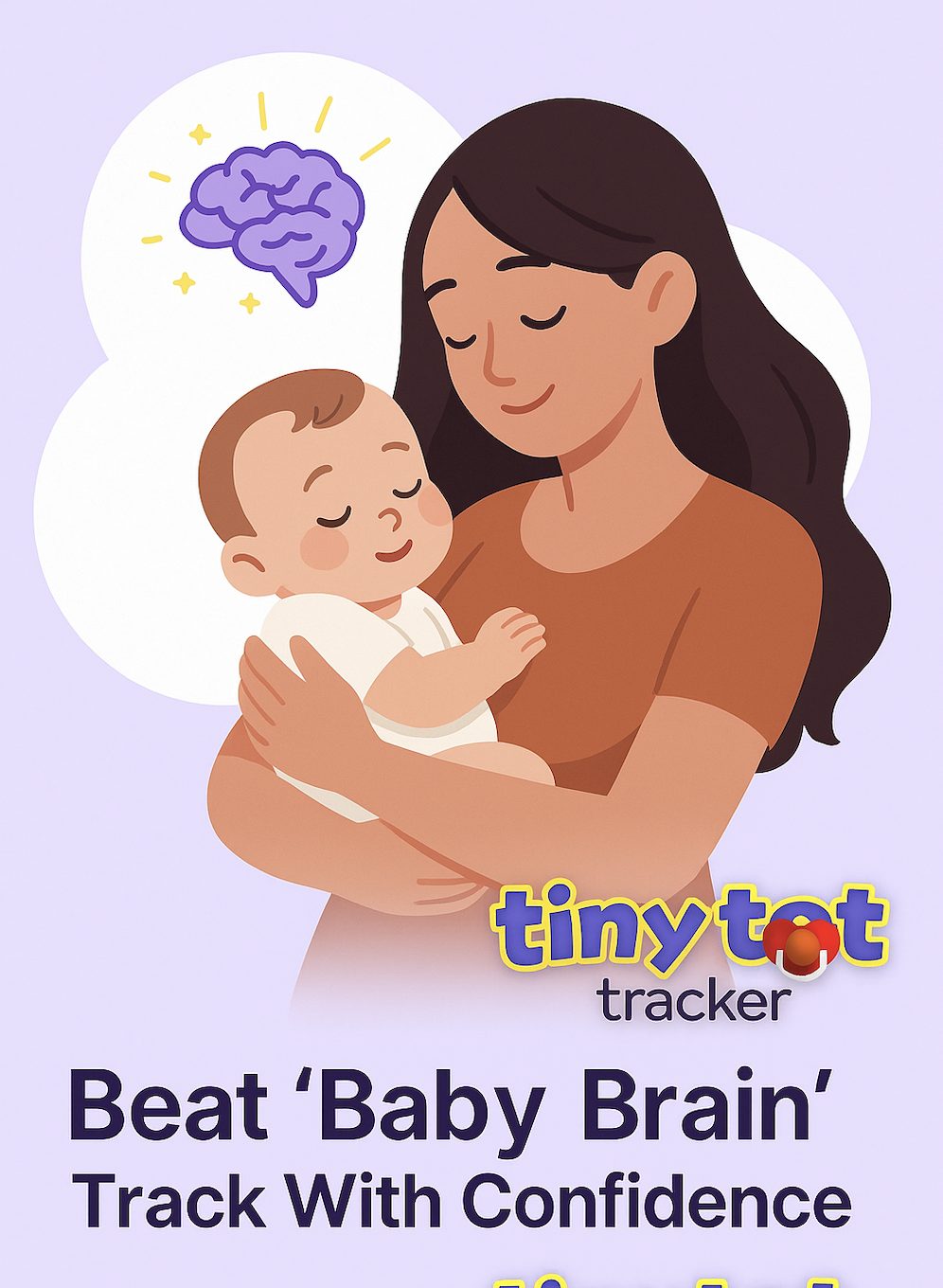
You walk into a room and forget why. You pour coffee into your baby's bottle. You call your baby by your dog's name. Sound familiar? Welcome to the world of baby brain—a foggy, forgetful, and often hilarious phase that many new parents experience. But while baby brain is real, the good news is, you can absolutely outsmart it—with a little help from smart reminders.
Whether you're expecting your first child or knee-deep in nappy changes and night feeds, this guide will help you understand baby brain and how to manage it like a pro using tools that work with your overwhelmed brain, not against it.
What Is Baby Brain, Really?
Defining Baby Brain
"Baby brain" is the term used to describe the forgetfulness, brain fog, and lapses in memory that many people experience during pregnancy and early parenthood. It's not just a myth or an excuse to forget appointments—it's a real, scientifically acknowledged phenomenon.
It affects pregnant individuals and new parents of all genders, and it's often characterised by:
- Trouble concentrating
- Forgetting small (but important) things
- Getting easily distracted
- Feeling mentally slower than usual
And it's no wonder—your brain is juggling a whole new world of tasks, routines, and emotions. You're adjusting to life with a tiny human while your own body and hormones are undergoing massive changes.
The Science Behind It
Research suggests that baby brain is more than just anecdotal—it's rooted in neurological changes. MRI studies show that pregnant brains undergo structural changes, particularly in areas linked to social cognition and memory. These changes prepare you to bond with your baby but can also affect how you process and store information.
Another study published in Nature Neuroscience found that grey matter actually decreases in pregnancy, but this "pruning" helps parents become more attuned to their infant's needs.
So yes, your brain is changing—but not because it's broken. It's reorganising to make room for parenting.
Hormonal Changes and Their Role
Let's not forget hormones—the unsung heroes and villains of pregnancy and postpartum life. Oestrogen and progesterone levels surge during pregnancy, only to plummet after birth. This dramatic hormonal rollercoaster can impact neurotransmitters that control mood, cognition, and memory.
Add in the flood of oxytocin (the bonding hormone) and prolactin (the milk-making hormone), and your brain chemistry starts to look like a science experiment.
It's not that you've lost your mind—it's that your mind is focused on keeping another human alive. So, if you forget where you parked or what day it is, give yourself grace. Your brain is literally rewiring itself to be a parent.
Why Baby Brain Happens
Sleep Deprivation Effects
Raise your hand if you've slept through the night since having a baby. Anyone? Didn't think so.
Sleep deprivation is one of the biggest culprits behind baby brain. Lack of rest affects your prefrontal cortex, which controls attention, decision-making, and memory. When you're up every two hours feeding, changing, or soothing your baby, your cognitive function naturally takes a hit.
Even missing just one night of quality sleep can reduce your reaction time, increase mental errors, and lower your ability to focus. Now imagine that on repeat for weeks or months.
Smart reminders become your external brain—so even when your internal one is running on fumes, you're still on top of things.
Stress and Emotional Load
Parenting is joyful, but let's be honest—it's also stressful. New responsibilities, financial concerns, body recovery, identity shifts, and fears about doing it "right" all add up to a massive emotional load.
And stress isn't just emotional—it's chemical. Your body releases cortisol during stressful times, and too much of it over long periods can impair memory and attention.
The result? You start walking into rooms with purpose and walking out without it.
By reducing your cognitive load with digital reminders, you can free up mental space for what matters most—caring for your baby and yourself.
Cognitive Overload from Parenting
Think of your brain like a computer. Each open tab takes up memory. Parenting adds a few hundred tabs at once—nappy sizes, nap schedules, feeding times, doctor appointments, tummy time, and that song your baby will only sleep to.
Cognitive overload occurs when your working memory gets so jam-packed that it struggles to store or retrieve information. That's why you might forget your own birthday while remembering your baby's bottle temperature to the decimal.
Using smart reminders is like adding external RAM to your brain. They help declutter your mental desktop so you can think clearly again.
Common Signs You're Experiencing Baby Brain
Memory Lapses and Forgetfulness
One of the first red flags of baby brain is memory loss—but not the dramatic movie kind where you forget your own name. It's subtler (and more frustrating). You forget why you opened the fridge. You miss appointments even though you set reminders. You tell someone a story only to forget you've already told it.
This forgetfulness can feel unsettling, especially for people who pride themselves on being organised. The NHS and various studies reassure us that this memory fog is temporary and totally normal.
Your brain is simply reprioritising. It's focusing on keeping a tiny, vulnerable human alive, so remembering where you left your phone or the laundry in the washer sometimes takes a back seat. And that's okay.
Still, you don't have to live in constant forgetfulness. Smart reminders can fill in the gaps—leaving your brain free to do the emotional heavy lifting of parenting.
Losing Track of Tasks
Have you ever found yourself mid-task and forgotten what you were doing? You start making a bottle, then realise 20 minutes later it's still on the counter, untouched. Or you begin writing an email, then close your laptop because you "finished"… but didn't hit send.
This kind of task-drop is common with baby brain, and it's mainly due to frequent interruptions and multitasking. When you're constantly shifting attention—from baby cries to boiling kettles to WhatsApp messages—your brain can't focus deeply on anything.
One fix? Use smart reminders that help close the loop. Task apps like Todoist, Trello, or even basic phone alarms can prompt you to finish what you started—or remind you that you started it in the first place.
A great tip is to set a "backup reminder" for recurring tasks—because when you forget, the reminder remembers.
Feeling Mentally Foggy
Fog is the perfect metaphor. With baby brain, it feels like your thoughts move through syrup instead of air. You might read something and immediately forget what it said. You struggle to form sentences or find the right words. You feel slower—even when doing simple mental tasks.
This mental fog often leaves new parents feeling like they're not themselves. But it's not about intelligence or capability—it's about mental bandwidth.
Studies show that pregnancy and early parenthood actually increase certain brain functions related to empathy, social reasoning, and survival. But the tradeoff is slower recall and reduced executive functioning.
What helps? Routine + Reminders. By automating repetitive tasks and externalising your "mental to-do list," you give your cognitive load a break—and clarity starts to return.
How Long Does Baby Brain Last?
During Pregnancy
The term "baby brain" often gets associated with postpartum, but many people start feeling the effects as early as the second trimester. Studies suggest that brain function begins to shift during pregnancy, especially in memory and attention-related areas.
It's not in your head—it's in your hormones. The massive surges of progesterone and oestrogen affect your brain chemistry. And while it's happening for an important reason (bonding and instinct), it can still feel like a struggle to focus.
Expect memory fog, distraction, and the occasional emotional outburst. That's all part of the prenatal baby brain package. Consider starting smart reminder routines before the baby arrives—it will help you adjust with less stress once they're here.
Postpartum and Beyond
Postpartum baby brain can last for weeks—or months—after birth. For some, the fog starts to lift after the "fourth trimester" (about three months in). For others, it can persist until sleep stabilises, hormones balance, or the baby becomes more independent.
Breastfeeding, sleep deprivation, and emotional fatigue all play roles in how long baby brain lingers. If you're returning to work or juggling responsibilities, this fog can feel extra intense.
Experts agree that recovery varies. What helps is creating a stable rhythm with tools like calendars, voice memos, sticky notes, and—of course—smartphone reminders.
Think of it as temporary scaffolding for your brain while it rebuilds itself.
When to Be Concerned
While baby brain is normal, severe or prolonged symptoms may indicate something deeper, like postpartum depression (PPD) or anxiety. If you experience:
- Extreme forgetfulness that affects safety
- Inability to function or complete basic tasks
- Feelings of hopelessness or worthlessness
- Anxiety that disrupts sleep or daily life
…it's time to reach out. Speak to your GP, midwife, or a therapist. There is support available, and you're not alone.
Remember: smart reminders help, but they don't replace professional care when mental health is involved. If you're struggling, getting help is a sign of strength, not weakness.
The Power of Smart Reminders
What Are Smart Reminders?
Smart reminders are automated prompts that help you remember tasks, appointments, and responsibilities. Unlike scribbled notes on paper, these reminders are timed, recurring, and context-aware, meaning they can be set to go off based on location, time, or activity.
They live in your:
- Smartphone
- Smartwatch
- Digital calendar
- Voice assistant (like Alexa or Siri)
With baby brain, these tools become your second brain. They help you operate on autopilot—so when you forget to set the laundry, take your vitamins, or prep for your doctor appointment, your tech steps in.
Smart reminders aren't about doing more—they're about remembering less so you can focus on what matters most.
Types of Reminders That Help Most
Different types of reminders suit different needs. Here are the top categories that work well for baby brain:
- Time-based reminders
Example: "Take your vitamins at 9 AM daily"
Great for fixed tasks or routines. - Location-based reminders
Example: "Pick up baby wipes when you're near Tesco"
Triggered when your GPS detects you're at a specific place. - Recurring reminders
Example: "Sterilise bottles every evening at 6 PM"
Perfect for repetitive parenting tasks. - Voice-recorded reminders
Example: "Note to self: Ask GP about rash"
Ideal for capturing thoughts when typing isn't possible. - Shared reminders
Example: "Nappy order reminder for both parents"
Keeps you and your partner synced on tasks.
Each type plays a role in easing cognitive strain and keeping your parenting life on track.
Integrating Reminders into Daily Life
The key to making reminders work is integration—they should feel like a natural extension of your routine, not an extra chore.
Here's how to do it:
- Set morning and evening check-ins on your phone to review key tasks.
- Use a central family calendar (like Google Calendar) that syncs across devices.
- Create Siri or Alexa routines that combine multiple reminders (e.g., "Good Morning" triggers a weather update, feeding reminder, and bottle sterilising alert).
- Keep your phone in a charging station where you'll see alerts often—visibility is key.
- Use widgets or home screen shortcuts for quick task reviews.
The goal isn't to remember everything—it's to remember what's important. With smart reminders, you reclaim mental clarity one notification at a time.
Best Tools and Apps for Baby Brain
Smartphone Apps
Smartphones are the modern parent's lifeline—and not just for baby pics. The right apps can turn your device into a full-blown mental assistant, managing everything from feeding schedules to doctor appointments.
Here are some NHS-friendly and parent-approved apps to combat baby brain:
- Google Keep / Apple Notes: For quick to-do lists, reminders, and baby milestones.
- Todoist: A user-friendly task manager with priority settings, recurring tasks, and sharable lists.
- Trello: Great for organising complex parenting routines like sleep training or meal planning.
- Baby Tracker (by Amila): Logs feeds, naps, nappies, and more—so you don't have to rely on memory.
- Cozi Family Organiser: Keeps your entire family synced with shared calendars, lists, and meal plans.
Most of these apps offer reminder features that you can set to repeat daily, weekly, or even by location. They're digital sanity-savers in the fog of early parenting.
Voice Assistants (Alexa, Siri, Google Assistant)
Voice assistants are a game-changer for new parents—especially when your hands are full (which, let's be honest, is always). They allow you to create reminders, set timers, and control your smart home with just your voice.
Examples:
- "Hey Siri, remind me to take my prenatal vitamins every day at 10 AM."
- "Alexa, add baby wipes to my shopping list."
- "Hey Google, what time is my health visitor appointment tomorrow?"
You can also set up routines—a series of actions triggered by one command. Say "Good Night," and Alexa can dim the lights, play white noise, and set a reminder to pump before bed.
It's like having a virtual nanny that doesn't need sleep.
Wearables and Smartwatches
If you often miss phone notifications or hate checking your screen all day, wearables can deliver discreet, tactile reminders right to your wrist.
Smartwatches like the Apple Watch, Samsung Galaxy Watch, or Fitbit allow you to:
- Get reminders and alerts without pulling out your phone
- Set timers for feeds or naps
- Use voice commands for instant notes or tasks
- Monitor your heart rate and sleep—hello self-care!
They're especially useful for parents on the move—pushing prams, rocking babies, or navigating messy nappy blowouts.
You may forget where you left the baby's sock, but your smartwatch won't let you forget the 3 PM check-up.
Creating a Smart Reminder System That Works
Setting Priorities
Not all reminders are created equal. When baby brain hits, a flood of alerts can make things worse. That's why prioritisation is crucial.
Start with these categories:
- Must-Do – Health check-ups, medications, feeding
- Nice-to-Do – Laundry, meal prep, journaling
- Don't-Want-to-Forget – Birthdays, thank-you notes, subscription renewals
Label your tasks clearly. Use colour codes or emojis to mark urgency. For example:
- 🔴 Urgent
- 🟡 Medium
- 🟢 Low
Prioritised reminders help you focus on the essential, not just the urgent. When the fog of baby brain rolls in, these mental filters become your compass.
Automating Daily Routines
Smart reminders aren't just about remembering—they're about creating routines that run themselves.
Automate as much of your day as possible:
- Morning reminder: "Check nappy bag, sterilise bottles"
- Midday reminder: "Vitamin D drops, tummy time"
- Evening routine: "Bath, feed, wind down"
Use apps like IFTTT (If This Then That) to link your reminders to real-world triggers. For instance:
- "If it's Monday at 8 PM, remind me to order groceries."
- "If the baby monitor senses sound, turn on the hallway light."
With automation, your reminders start working proactively—not just reactively.
Customising Alerts for Parenting Needs
Parent life is unpredictable. That's why your reminder system needs to be flexible and customisable.
Tips:
- Avoid generic alarm sounds—they can blend into background noise. Use distinct tones for parenting tasks.
- Include context in your reminders. Instead of "Call doctor," write "Call Dr. Lee re: baby rash."
- Time them wisely. Don't schedule alerts for 3 PM if that's usually nap time or chaos hour.
- Use multiple platforms—phone, smartwatch, voice assistant—for redundancy.
Bonus: Share reminders with your partner or caregiver. Parenting is a team sport, and shared reminders reduce the chance of anything slipping through the cracks.
How to Stay Productive Despite Baby Brain
Time-Blocking Your Day
Time-blocking is a productivity technique that assigns a task or category to each hour of your day. It's ideal for baby brain because it reduces decision fatigue—you know exactly what to focus on at each point.
Example block schedule:
- 7:00–8:00 AM: Baby feed and breakfast
- 9:00–10:00 AM: Admin tasks and calls
- 12:00–1:00 PM: Lunch and rest
- 3:00–4:00 PM: Baby play + chores
- 8:00–9:00 PM: Self-care or relaxation
Use digital calendars like Google Calendar or apps like Sunsama or Notion to create colour-coded blocks. Add smart reminders within each block to keep you on track.
Even if your day gets derailed (as parenting days often do), a visual block schedule gives you a sense of control—and that's a powerful win.
Managing the To-Do List Effectively
To-do lists can become overwhelming when you're in the thick of baby brain. The solution? Keep it short, simple, and flexible.
Tips:
- Limit your daily list to 3–5 tasks
- Use a "brain dump" list for everything else (capture it, but don't worry about it now)
- Break down big tasks into micro-tasks (e.g., instead of "laundry," write "gather clothes," "load machine," "fold baby onesies")
- Cross off what you did, even if it wasn't planned. It builds momentum.
Pair your to-do list with smart reminders. Let your phone be the nag, so you don't have to carry the mental weight of remembering everything.
Reducing Multitasking
Multitasking is the enemy of memory. Studies show it reduces efficiency and increases stress—two things new parents don't need more of.
Instead, aim for mono-tasking—doing one thing at a time, with full focus.
How to make it work:
- Use a timer (Pomodoro method: 25 minutes work, 5 minutes break)
- Turn off non-essential notifications
- Set a reminder to "pause and breathe" every few hours
- Batch similar tasks (e.g., emails + bills, errands + groceries)
By slowing down, you actually get more done—and remember more while doing it. And let's face it, baby brain already has you multitasking involuntarily, so wherever you can simplify, do it.
Delegating and Asking for Help
Sharing Responsibilities with Your Partner
One of the smartest strategies to fight baby brain? Don't do it all alone.
Parenting is a team effort, and splitting responsibilities with your partner can significantly reduce the mental load. This includes everything from bottle washing and nappy changes to managing reminders and appointments.
Use shared calendars and task apps to stay aligned. For example:
- Share your Google Calendar with your partner and colour code each person's tasks.
- Use an app like Cozi or OurHome to manage grocery lists, routines, and responsibilities.
You might carry the baby, but you don't have to carry the weight of every single task. Delegating isn't weakness—it's wisdom.
Using Reminders to Coordinate with Others
Smart reminders aren't just for you—they can sync an entire household.
Tools like:
- Google Keep (shared checklists)
- Apple Reminders (iCloud shared tasks)
- Trello (shared boards for baby care)
…make it easy to ensure everyone's on the same page. You can assign tasks ("Buy formula," "Book vaccination") and let the system handle the follow-ups.
No more chasing people down. Let tech do the nagging.
Getting Support from Friends and Family
Your village is your backup brain.
Create a WhatsApp group with trusted friends or family members where you can:
- Ask for quick favours (e.g., "Can someone pick up Calpol?")
- Vent when the fog hits hard
- Coordinate visits or babysitting help
Set smart reminders to follow up with offers of help. People want to assist—but in the chaos, it's easy to forget who offered what. A little structure helps turn that goodwill into actual support.
Nourishing Your Brain and Body
Nutrition Tips for Mental Clarity
Your brain needs fuel to function—and that's especially true when battling baby brain.
Nutritional must-haves:
- Omega-3s (found in salmon, walnuts, flaxseed) for brain health
- Iron (spinach, lentils, lean meats) to fight fatigue and fog
- B vitamins for energy and focus
- Protein to stabilise blood sugar and mood
Try prepping easy, nutrient-dense snacks ahead of time: boiled eggs, overnight oats, veggie sticks with hummus. Set a reminder to eat if you're constantly forgetting. Yes, it's come to that—but it works.
Importance of Hydration and Sleep
Dehydration is a silent cognitive killer. Even mild fluid loss can reduce alertness and short-term memory. Keep a water bottle in every room, and set hydration reminders on your phone every 2–3 hours.
And let's talk about sleep—more accurately, the lack of it.
If you're not getting consolidated rest, aim for:
- Power naps (20–30 minutes)
- Early bedtimes when baby sleeps
- Sharing night shifts with a partner
Track sleep if needed, but don't obsess. Even improving by 30 minutes can make a noticeable difference in brain function.
Gentle Exercise and Its Cognitive Benefits
Movement is medicine for the mind. Gentle workouts release endorphins, which improve mood, boost memory, and sharpen focus.
Try:
- Daily walks with the pram
- Postnatal yoga (YouTube has great free options)
- Baby-wearing dance sessions (fun and bonding!)
Set a recurring reminder—even 10 minutes a day makes a difference. Movement clears the fog and helps reconnect you with your body after baby.
Emotional Support and Mental Health
Acknowledging Your Feelings
Feeling forgetful or overwhelmed doesn't make you a bad parent—it makes you human. And when baby brain hits, emotional validation is as important as practical support.
Speak your truth:
- "I feel like I'm failing at everything."
- "I don't even feel like myself anymore."
- "I'm exhausted and I can't think straight."
These are all real, valid experiences. Acknowledge them without shame. You're not alone—and you don't need to fix everything in a day.
Postpartum Mental Health Resources
Baby brain can sometimes mask deeper mental health struggles like postnatal depression or anxiety. If your memory loss or fog comes with sadness, fear, or hopelessness, talk to someone.
Resources:
- GP or Health Visitor
- PANDAS Foundation UK
- Mind (mental health charity)
- Maternal Mental Health Alliance
Your mental clarity matters—and there is help, therapy, and medication available if needed. Don't wait to reach out.
Talking to a Therapist or Counsellor
Sometimes, the best "reminder" is a regular therapy appointment. Having a trained professional to talk to can ease the burden and help you navigate emotional fog, anxiety, and identity shifts.
Whether it's NHS-supported counselling or private therapy, this kind of self-investment pays off tenfold—for you and your baby.
Set a repeating reminder for check-ins. Therapy isn't just for crises—it's for clarity.
Building Confidence and Self-Compassion
Letting Go of Perfection
Perfection is the enemy of peace—and of productivity. Baby brain often feels worse when we're judging ourselves for it.
Truth bomb: No one remembers every appointment. No one has a spotless house. No one gets parenting perfect.
Instead of aiming for perfection, aim for progress. Use smart tools not to "do it all," but to do what matters without burning out.
Celebrating Small Wins
You got dressed today? That's a win. Remembered to eat lunch? Huge. Used a reminder app to avoid missing a GP appointment? You're killing it.
Celebrate every win—even the micro ones. They add up and help rebuild your confidence.
Start a "Victory Jar" (physical or digital) to log small wins. Revisit it on hard days. You're doing better than you think.
Encouraging Positive Self-Talk
Words shape your reality. Instead of saying:
- "I'm so forgetful." → try "My brain is doing a lot right now."
- "I can't do anything right." → try "I'm doing my best, and that's enough."
Set phone reminders with uplifting affirmations. Let your device be a cheerleader, not just a scheduler.
You're more than your fog—you're a powerful, evolving human raising another human. That's kind of amazing.
Real-Life Stories: Parents Outsmarting Baby Brain
Personal Hacks from Mums and Dads
We asked real parents how they cope with baby brain. Their best hacks?
- "I leave sticky notes on the coffee maker—because I'm guaranteed to see them."
- "I use Alexa routines for EVERYTHING—she reminds me to breathe some days."
- "I share a digital planner with my partner. If it's not in the calendar, it doesn't happen."
- "Voice memos while breastfeeding—I can't type, but I can talk."
These simple shifts create massive relief. Your reminder system doesn't have to be fancy—it just has to work for you.
Funny "Baby Brain" Moments
Sometimes, you just have to laugh.
- "I put my phone in the fridge and the milk in my purse."
- "I once forgot the baby's name… for a solid 10 seconds."
- "I texted the GP instead of my partner. The GP was very understanding."
Baby brain is real—but so is your resilience.
Lessons Learned
Every parent learns to adapt. You'll fumble, forget, and repeat yourself—but you'll also grow stronger, smarter, and more intuitive.
The biggest lesson? You don't have to remember everything. You just need to build a system that remembers for you.
Conclusion
Baby brain is not a weakness—it's a transformation. Your brain is recalibrating to love, protect, and care for a brand-new human. That takes an incredible amount of energy and focus.
But you're not powerless. With smart reminders, a little tech, and a whole lot of self-compassion, you can outsmart the fog and reclaim your clarity, one task at a time.
You've got this—and your phone's got your back.
FAQs
1. What causes baby brain?
Hormonal shifts, sleep deprivation, stress, and cognitive overload all contribute to baby brain. It's a natural part of becoming a parent.
2. Can baby brain affect work performance?
Yes, especially with memory lapses and reduced focus. But smart reminders and structured routines can help you stay productive and organised.
3. Are there natural remedies for baby brain?
Yes—hydration, proper nutrition, light exercise, better sleep, and stress management all support mental clarity.
4. When should I seek professional help?
If your brain fog is paired with emotional distress, anxiety, or affects your ability to function, speak with a GP or therapist. It may be more than baby brain.
5. What are the best tools to fight baby brain?
Apps like Tiny Tot Tracker, Huckleberry, voice assistants like Alexa, smartwatches, and digital calendars with recurring reminders are some of the best tools.