Understanding the Importance of Feeding Phases
What Are Feeding Phases?
Feeding phases refer to the natural progression of a baby’s dietary needs as they grow. It begins with exclusive breastfeeding or bottle-feeding, then transitions into introducing solids around six months, followed by more complex meals and self-feeding. Each phase brings its own nutritional requirements, habits, schedules, and challenges.
In the early weeks, newborns need to feed every 2–3 hours. As they grow, those intervals stretch, but the volume and variety increase. Around six months, babies start showing interest in what you’re eating—reaching out for spoons and smacking their lips at your lunch. That’s when the solids phase kicks in. Before long, your baby may be munching on tiny pieces of fruits, soft veggies, and exploring finger foods.
But here’s the thing: every baby is different. Some latch easily, others struggle. Some love carrots, others spit them out like they’re poison. That’s why understanding feeding phases isn’t just about following a general timeline. It’s about tuning in to your child’s unique pace and preferences—something that Tiny Tot Tracker helps you do effortlessly.
Why Tracking Feeding Phases Matters for Baby’s Health
Keeping track of feeding data isn’t about being obsessive—it’s about being informed. Paediatricians often ask how many times a baby feeds, how much milk or formula they’re consuming, and what solid foods they’ve been introduced to. This information helps identify allergies, ensure proper growth, and support healthy development.
- Spotting patterns: Helps identify feeding and sleeping rhythms.
- Avoiding over/underfeeding: Prevents common issues like reflux, gas, or inadequate nutrition.
- Reacting to changes: If your baby suddenly eats less, the app helps you compare trends and understand if it’s teething, illness, or a growth spurt.
- Sharing with caregivers: Daycare providers or babysitters can easily continue your feeding plan using your data.
Bottom line? Feeding isn’t just about nourishment. It’s about connection, comfort, and confidence. And the right tracker puts all of that at your fingertips.
Introduction to Tiny Tot Tracker
What is Tiny Tot Tracker?
Tiny Tot Tracker is a smart parenting app built for modern mums and dads juggling feedings, nappies, naps, and everything in between. Specifically crafted to focus on feeding routines, the app enables parents to log every feeding—breast, bottle, or spoon—with just a few taps. But it’s not just a simple logbook. It’s a digital assistant that helps you:
- Record feeding times and durations
- Measure ounces or millilitres for bottles
- Note down solid food introductions
- Track reactions and allergies
- Identify patterns and sync across devices
It works like your second brain when yours is running on caffeine and three hours of sleep. Think of it as a personalised timeline of your baby’s nutritional journey, helping you understand and adapt to each phase with ease.
Core Features that Make it a Must-Have Parenting Tool
- One-Tap Logging: Logging feeds takes seconds, so you can do it with one hand while holding a squirmy baby.
- Colour-Coded Timeline: Easily distinguish between breast, bottle, and solid feedings at a glance.
- Allergy Alerts: Flag ingredients and track reactions in real-time.
- Feeding Reminders: Gentle nudges help you stay on track without obsessing over the clock.
- Data Export: Share logs with your paediatrician or partner without needing to explain everything.
But perhaps its most underrated feature is peace of mind. Knowing you’ve got a tool that remembers every little detail—especially when your sleep-deprived brain can’t—is the kind of emotional support every parent deserves.
Breastfeeding Phase: Managing Frequency and Duration
Tracking Every Nursing Session
If you’ve ever tried remembering which breast you fed from last at 3 a.m., you know why tracking matters. Breastfeeding isn’t just about frequency—it’s also about balance, timing, and observing patterns like growth spurts or feeding regressions.
- Log left or right side nursing.
- Time each session accurately.
- Add notes like “baby fell asleep” or “very fussy.”
Over time, these logs become a goldmine of insights. You’ll start seeing how long your baby typically feeds, whether they prefer one side, and how often they cluster feed. This data helps you understand if they’re getting enough hindmilk, which is crucial for weight gain.
Plus, if you’re pumping or combining breastfeeding with bottle-feeding, Tiny Tot Tracker keeps track of expressed milk so you don’t lose track of your liquid gold.
Identifying Patterns and Building Routines
Newborns feed on demand, and that can be unpredictable. But patterns do emerge, and Tiny Tot Tracker helps you spot them early. Maybe your baby feeds longer in the evening or prefers shorter feeds in the morning. Once you understand these trends, you can:
- Create flexible feeding routines
- Predict nap times based on post-feed sleepiness
- Spot disruptions caused by teething or illness
Routines aren’t about rigid schedules—they’re about consistency. And when your baby knows what to expect, they’re calmer, more satisfied, and sleep better (which means you might too).
The Tiny Tot Tracker essentially turns the chaos of early parenting into manageable insights, helping you feed with intention instead of anxiety.
Bottle Feeding Phase: Precision and Peace of Mind
Monitoring Bottle Quantities
Bottle feeding comes with its own set of perks and challenges. Whether you’re using formula or expressed breast milk, knowing exactly how much your baby consumes is a major advantage. With Tiny Tot Tracker, you can log:
- Amount per feeding (in oz/ml)
- Brand or type of formula
- Time and duration of each feed
- Rejection or spit-up incidents
This helps ensure your baby is getting the right volume for their age and weight. The app also alerts you if feedings are spaced too close together or if your baby suddenly drinks less than usual—a possible sign of discomfort, illness, or teething.
Data-driven parenting doesn’t mean micromanaging. It means reducing the guesswork so you can focus on bonding with your baby instead of doing math in your head.
Ensuring Balanced Nutrition with Formula or Breastmilk
Mixing formula and breast milk? Exclusively pumping? Using donor milk? The app lets you note down every detail so you can track what works best for your baby. It also supports tracking:
- Brand transitions (e.g., switching from dairy to soy-based)
- Milk stash inventory (great for pumping mums)
- Reactions or digestion issues like constipation or gas
This phase is all about ensuring your baby is growing and thriving—and Tiny Tot Tracker gives you the data to make informed decisions, whether you’re working with a lactation consultant or flying solo.
Transition to Solids: Introducing New Foods Safely
Logging First Foods and Reactions
The moment your baby takes their first spoonful of mashed banana or pureed peas is unforgettable. But it also marks the beginning of a new level of feeding complexity. Suddenly, it’s not just about when and how much—they’re interacting with what they eat. This phase requires careful observation, and that’s where Tiny Tot Tracker becomes your secret weapon.
- Log every new food introduced
- Note the date, quantity, and baby’s reaction
- Record any symptoms like rashes, diarrhea, or gas
- Track preferences and dislikes
Introducing one new food at a time is a paediatrician-recommended practice. Tiny Tot Tracker’s detailed logging ensures you’re not left wondering which new veggie caused that nappy explosion or that unexpected rash. Plus, being able to look back and see exactly when you started solids and what your baby ate can be crucial during paediatric check-ups or allergy assessments.
Beyond health, there’s also the joy of learning your baby’s favourite tastes. Tiny Tot Tracker helps you note if they gobbled up avocado but weren’t a fan of oatmeal. That way, you’re not wasting food or patience—just building a well-rounded, baby-approved meal plan.
Avoiding Allergens and Watching for Sensitivities
Food allergies are a real concern for parents starting solids. Peanuts, eggs, dairy, and wheat are among the most common culprits. The app helps you:
- Flag common allergens introduced
- Set reminders to wait 3-5 days before introducing another new food
- Note down any signs of allergic reactions like swelling, coughing, or rashes
This data can be a lifesaver. If your baby develops hives or breathing issues, a complete log of recent meals gives your paediatrician critical information. Even minor sensitivities—like mild eczema flare-ups or tummy troubles—can be tracked over time to determine if certain foods are better avoided.
And if you have a family history of food allergies? Tiny Tot Tracker helps you proceed with caution while still ensuring your baby gets a wide, nutritious variety of foods.
Tracking Nutritional Milestones Over Time
Seeing the Big Picture
Once you’ve moved past the exclusive milk stage and into solids, feeding becomes a blend of textures, portions, and frequencies. Tiny Tot Tracker turns those messy mealtime moments into structured data you can actually use. You’ll be able to see:
- How many feedings per day are solids vs. milk
- The volume of formula or breastmilk as it decreases naturally
- Weekly trends in appetite and interest in new foods
This isn’t about obsessing over grams and ounces. It’s about knowing that your baby’s feeding habits are on the right track. For instance, around 9 months, you might notice your baby starts skipping a milk feed and eating more solids. Rather than worrying, the data shows you that this transition is totally normal.
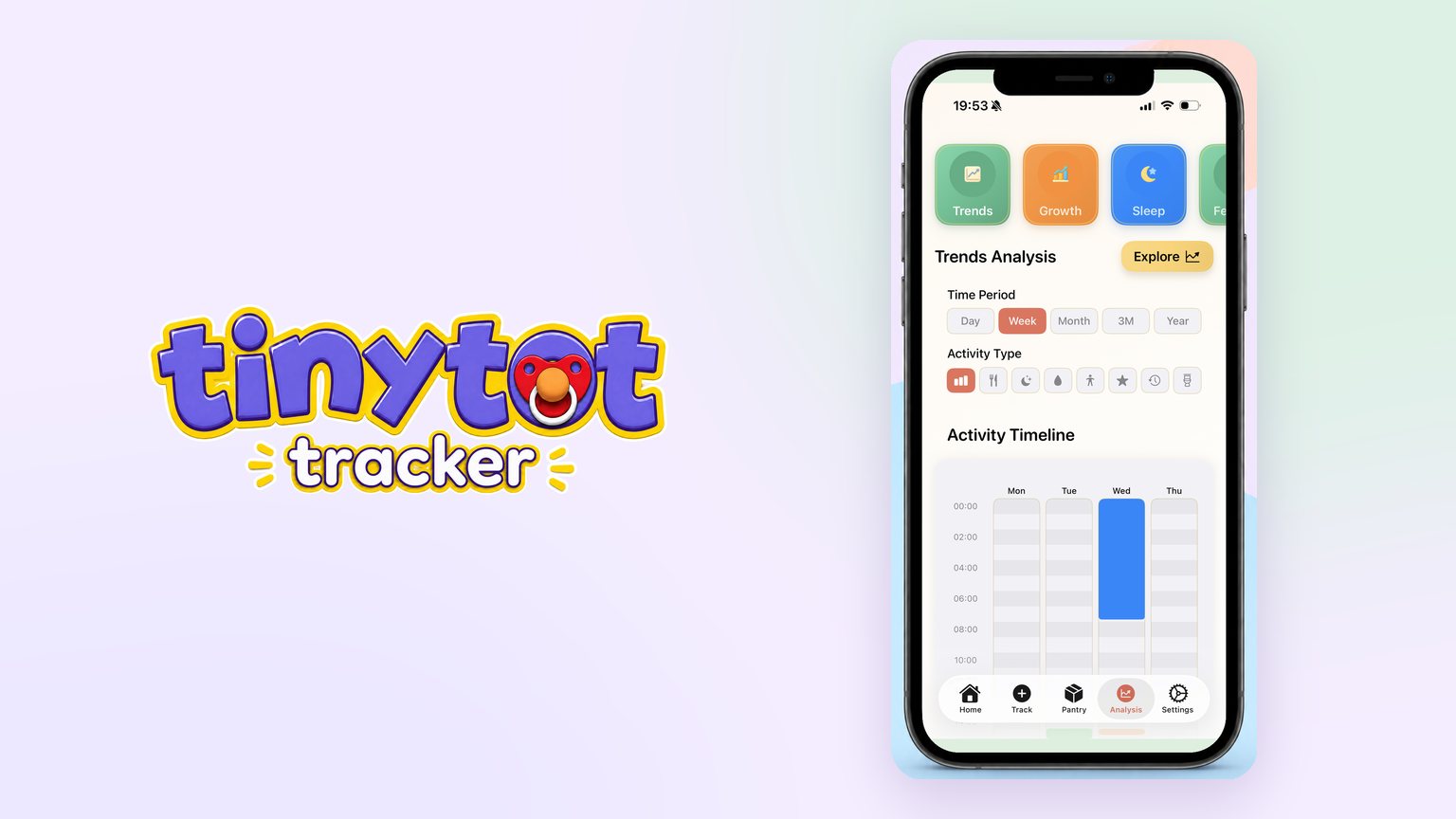
The visual graphs and weekly summaries in the app help you feel confident about your baby’s nutritional journey, without second-guessing every spoonful or bottle.
Customizable Charts and Insights
The Tiny Tot Tracker isn’t a one-size-fits-all tool. You can customise charts and reports based on your baby’s needs. Want to compare food groups eaten this week? Set up a pie chart. Want to monitor days with more fussy feeding behaviour? Filter by note tags like “refused lunch” or “teething.”
This level of detail empowers you to make proactive changes. For example:
- Increase iron-rich foods if your baby’s iron intake has been low.
- Add more hydration tracking on hot days.
- Adjust nap or playtime based on feeding cues.
These aren’t just stats—they’re parenting superpowers wrapped in an intuitive app interface.
Introducing Finger Foods and Independent Eating
Encouraging Motor Skills and Autonomy
As your baby moves into toddlerhood, feeding becomes less about survival and more about exploration. Finger foods, sippy cups, and tiny spoons become part of the adventure. This stage is messy, fun, and full of learning.
- First finger foods (like puffs, soft fruit, or cheese cubes)
- Self-feeding milestones
- Gagging incidents vs. choking risks
- Meal success ratings (yes, you can literally rate each meal)
Encouraging your baby to self-feed boosts their motor skills and independence. The app helps you identify when your child is ready to take that step—based on how much they’re engaging with the spoon or reaching for their food. Plus, you’ll start to see a real evolution in your feeding schedule—from 100% parent-fed to a mix of independent and assisted eating.
Maintaining Variety and Balance
One of the biggest challenges in this phase is ensuring variety without overwhelming your baby. Tiny Tot Tracker keeps a running log of:
- Food groups eaten daily (grains, proteins, fruits, veggies)
- Portion sizes
- Meal times and snack frequency
This helps you spot imbalances before they become habits. Is your baby eating too much bread and not enough protein? Are veggies missing from the last three days of meals? Instead of guessing, you’ll have a record to guide you.
Better still, the app includes suggestions and community-shared food ideas, so you’re never stuck wondering what to serve for dinner again.
Coordinating with Caregivers and Paediatricians
Sharing Logs for Collaborative Care
Whether your baby is with a nanny, at daycare, or with grandparents, staying consistent in feeding routines is vital. Tiny Tot Tracker lets you sync across devices so that every caregiver:
- Sees the latest feeding schedule
- Knows what foods to avoid
- Can add their own observations
No more paper charts on the fridge or frantic texts about when the baby last ate. The app keeps everyone in the loop—accurately and instantly.
During paediatric check-ups, you can also export logs and charts to share directly with your doctor. Whether you’re discussing growth concerns, digestive issues, or nutritional milestones, this documented data ensures nothing gets missed.
Getting Professional Feedback with Ease
Many parents work with lactation consultants, dietitians, or feeding therapists. Tiny Tot Tracker provides these professionals with the insights they need to tailor advice. For instance, a consultant might notice a drop in milk intake that coincides with increased solid food—letting them reassure you it’s a healthy shift rather than a red flag.
It’s about turning raw parenting moments into digestible, useful data that helps everyone involved make the best decisions for your baby’s health.
Supporting Babies with Special Feeding Needs
Tracking for Preemies or Babies with Medical Concerns
Not every feeding journey is smooth. Some babies are born premature or face challenges like reflux, latching issues, allergies, or gastrointestinal conditions. In these situations, consistent feeding logs aren’t just helpful—they’re essential. Tiny Tot Tracker becomes a critical part of your support system.
- Customised feeding plans tailored to medical instructions
- Detailed symptom tracking (e.g., spit-up volume, colic episodes, choking incidents)
- Medication reminders for digestive aids or supplements
- Weight and growth monitoring alongside feeding logs
If your baby is under the care of multiple specialists—paediatricians, gastroenterologists, occupational therapists—you can export comprehensive reports showing trends, patterns, and progress. This data helps professionals adjust feeding strategies and ensure your baby is developing on track.
For NICU grads or babies on special formulas, every ounce counts. Tiny Tot Tracker gives parents a sense of control and clarity when feeding feels like a high-stakes mission.
Adapting to Feeding Therapy Plans
For babies or toddlers undergoing feeding therapy due to oral aversions, developmental delays, or sensory processing issues, Tiny Tot Tracker supports:
- Session notes and therapist recommendations
- Step-by-step tracking of food exposure levels (from sight to touch to taste)
- Progress charts showing improvements in texture tolerance or spoon acceptance
Feeding therapy is often slow, with tiny milestones. Being able to visualise that your baby moved from refusing a spoon to tolerating two bites of yogurt in a week? That’s the kind of motivation that keeps parents going.
Tiny Tot Tracker helps turn small wins into big victories, one logged meal at a time.
Mental Health Support for Parents
Reducing Feeding Anxiety Through Data
Feeding isn’t just about babies. It’s also about how parents feel. Anxiety, guilt, and second-guessing often come with the territory—especially if feeding doesn’t go as planned. Tiny Tot Tracker eases that mental burden by providing:
- Reassurance through patterns and trends
- A sense of progress during difficult phases
- Objective data when you’re unsure what’s “normal”
It removes the pressure to rely on memory during sleep-deprived nights. Instead of obsessing over “Did she eat enough?” or “Is he refusing solids again?”, you get facts. That clarity can reduce worry and give you back some mental space to just be with your baby.
The app also encourages you to take notes—not just on feeding, but on how you feel. That emotional awareness is important, especially in postpartum months when baby blues or PPD can hit hard.
Empowering Parents with Confidence
Every successful feeding session becomes a mini victory, and each log builds a timeline of those wins. Over time, Tiny Tot Tracker helps transform parents from anxious and unsure to confident and empowered.
You’ll start to trust your instincts more, supported by the data behind them. When your baby thrives, so do you—and that’s the real beauty of having a smart, supportive tool at your fingertips.
User-Friendly Design for Busy Parents
Designed with Real-Life Parenting in Mind
Tiny Tot Tracker is built for real life—not some idealised version of parenting. The app design keeps things simple:
- One-hand logging so you can feed and tap at once
- Offline mode for when Wi-Fi drops during walks or travel
- Dark mode for middle-of-the-night feeds
- Customizable alerts so you’re not overwhelmed
You don’t need to be tech-savvy. Everything is intuitive, with big buttons, clean layouts, and no steep learning curve. Whether you’re in the newborn haze or toddler tornado phase, it works with you, not against you.
And if you’re parenting as a team? The app allows seamless syncing between partners, caregivers, or grandparents so everyone’s on the same page—even during chaotic mornings or late-night nappy changes.
Community and Support Features
Feeling alone in your feeding journey? Tiny Tot Tracker includes a supportive in-app community where you can:
- Swap baby-friendly recipes
- Share feeding tips
- Vent about tough days
- Celebrate milestones together
This sense of connection reminds you that you’re not doing this alone. You’re part of a village of parents navigating the same ups and downs—and that solidarity can make all the difference.
Conclusion: From First Feed to First Fork—Tiny Tot Tracker is With You
Feeding your baby is one of the most intimate, challenging, and rewarding parts of parenting. From midnight nursing sessions to first bites of broccoli, every moment matters—and every phase brings its own joys and hurdles. Tiny Tot Tracker isn’t just a tool—it’s your partner in this journey. It captures the chaos, celebrates the milestones, and gives you peace of mind when you need it most.
It evolves with your baby, adapts to your lifestyle, and supports you as a parent. Whether you’re breastfeeding, bottle-feeding, experimenting with solids, or managing special needs, this app ensures you’re never navigating blindly. You’ve got insights, you’ve got structure, and most importantly—you’ve got confidence.
So as your baby grows, their meals may change, but your support system doesn’t have to. With Tiny Tot Tracker, you’re always one step ahead—and always fully supported.
FAQs
1. Can I use Tiny Tot Tracker for twins or multiple children?
Absolutely. Tiny Tot Tracker allows you to set up profiles for multiple children, each with their own logs, charts, and routines. It’s perfect for parents of twins or siblings at different feeding stages.
2. Does the app work for exclusively pumping mums?
Yes! You can log pumping sessions, track output per breast, and monitor how much expressed milk is being fed. It’s a must-have for EP mums.
3. What if my baby has food allergies?
Tiny Tot Tracker includes allergen tagging and symptom tracking features. You can flag foods, monitor reactions, and review past logs to identify sensitivities early.
4. Is Tiny Tot Tracker available offline?
Yes, it works offline so you can log feeds and notes even without an internet connection. It syncs automatically when you’re back online.
5. Can I export feeding logs for my paediatrician?
Definitely. With a few taps, you can export detailed logs, charts, and notes to share with healthcare providers during appointments.