From helping you track feedings and naps to ensuring developmental play doesn't get missed in the whirlwind, reminders offer more than just nudges—they bring structure, sanity, and a whole lot of calm. Let's explore how using reminders can transform your baby's daily routine—and save your sleep-deprived brain from crashing.
The Importance of a Consistent Baby Routine
Why Routines Matter in Early Childhood
Think babies are too young for structure? Think again. Babies thrive on predictability. In a world where everything is brand new—from voices to lights to touch—having a consistent rhythm helps your baby feel safe and secure.
When babies know what to expect, they become calmer and more adaptable. Regular feeding times regulate hunger cues. Predictable nap times support brain development and emotional regulation. Even bath time and bedtime songs can act as soothing signals that it's time to wind down.
Consistency doesn't mean rigidity. It's not about forcing your baby into a military schedule. It's about finding a flow that works for your family—and sticking to it as often as you can. A structured routine supports physical development, emotional balance, and even cognitive growth.
And let's not forget—routines benefit parents too. They provide a roadmap to the day, giving you moments to rest, reset, and feel in control. It's less about perfection and more about predictability. That's where reminders step in.
Benefits for Baby and Parents
So what exactly do you and your baby gain from having a routine—and using reminders to maintain it?
For the baby:
- Improved sleep: A structured nap and bedtime schedule helps babies fall asleep faster and sleep longer.
- Emotional security: Knowing what's next provides comfort and reduces anxiety or fussiness.
- Better feeding habits: Regular intervals reduce overfeeding or missed hunger cues.
For parents:
- Reduced stress: You don't have to rely on memory when reminders do the job.
- Time management: With scheduled moments, you can plan your day better—even carve out some "you" time.
- Mental clarity: It's easier to function when you're not constantly wondering if you're forgetting something crucial.
A well-planned routine, powered by reminders, isn't just about productivity—it's about peace.
Challenges Parents Face in Establishing Routines
Sleep Deprivation and Mental Fog
One of the first casualties of new parenthood? Sleep. Or rather, the lack of it. When you're running on three hours of broken sleep, your brain becomes mush. Simple tasks feel monumental. You forget when the last nappy change happened—or if you even brushed your teeth.
In this state of exhaustion, building and remembering a routine can feel impossible. That's where reminders become your external brain. With scheduled pings or sticky notes on the fridge, you don't have to rely on memory. The reminders do the heavy lifting, helping you stay on track even when your brain is running on empty.
Multiple Caregivers and Inconsistent Schedules
In many families, caregiving isn't just a solo act. Grandparents, babysitters, co-parents—all take shifts. And while help is amazing, it can lead to chaos if routines aren't clearly communicated. A bottle might be given too soon. A nap skipped. Nappies forgotten. The result? A cranky baby and a confused caregiver.
With shared reminders—whether through a family calendar app or synced alarms—everyone's on the same page. You create a consistent experience for your baby no matter who's on duty. That consistency reinforces the routine, helping the baby adapt faster and stay happier.
Emotional Overwhelm and Forgetfulness
Being responsible for a tiny human can feel like you're carrying the world on your shoulders. The emotional weight—combined with hormonal changes, healing, and constant attention demands—can lead to forgetfulness. And then guilt. And then more stress.
Using reminders helps offload some of that burden. Instead of trying to remember everything, you can focus on being present. Let the reminder tell you when it's time for tummy time. Let the alert signal when it's feeding time. This frees up your emotional bandwidth so you can enjoy moments, not just survive them.
What Are Baby Routine Reminders?
Types of Reminders: Alarms, Apps, and Notes
Reminders come in all shapes and forms. Depending on your lifestyle and preferences, you can use:
- Alarms/Timers: Set on your phone or a digital watch to buzz for feeds, naps, or meds.
- Apps: There are dozens of baby routine tracking apps that offer alerts, stats, and logs.
- Sticky Notes/Whiteboards: Ideal for visual reminders around the house, especially when multiple people are involved.
Each type serves a different purpose. Alarms work best for urgent cues like medication or bottle timing. Apps are great for tracking patterns and identifying improvements. Notes help create a physical space of structure and routine.
Digital vs. Physical Reminder Tools
Digital tools are convenient, especially for on-the-go parents. You can schedule, adjust, and share with ease. Most apps even allow syncing across devices, making co-parenting more seamless.
But don't underestimate physical tools. A chore chart on the fridge, a dry-erase board in the nursery, or colour-coded Post-its can work wonders—especially for visual learners or those who get overwhelmed by phone notifications.
Use a combination of both to find what feels intuitive. The goal is to make reminders serve you—not stress you out.
Integrating Reminders Into Daily Life
Start small. Pick one or two key routines—say, feeding and nap times—and set up reminders around them. Once those become second nature, add more layers, like tummy time or outdoor walks.
Build them into your rhythm:
- After the 10 a.m. bottle? Set a tummy time reminder.
- Right after the evening bath? Set a lullaby or reading time alert.
The more naturally reminders blend into your day, the more effective—and sustainable—they become.
How Reminders Reinforce Daily Baby Habits
Feeding and Nap Schedules
Feeding and sleeping are the pillars of your baby's well-being, and they're also the most time-sensitive parts of the day. That's why using reminders for these two can make the biggest impact early on.
For feeding, reminders help you keep track of when your baby last ate, which side you last nursed on (if breastfeeding), and how many ounces were consumed (if bottle-feeding). Over time, this tracking helps reveal natural patterns in your baby's hunger cues, making it easier to predict and plan future feedings. It can also be invaluable for parents working with lactation consultants or paediatricians.
Nap schedules are just as important. Babies need a lot of sleep—but they won't always take it without guidance. Miss a nap window, and you may find yourself with an overtired, cranky little one who resists sleep entirely. Reminders help you avoid this by giving gentle nudges when it's time to wind down. You'll also become more in tune with how long your baby tends to sleep, allowing you to adjust your day around their natural rhythms.
Consistency is key. When naps and feedings happen at roughly the same time each day, your baby begins to anticipate them. This predictability helps regulate their body clock, improves sleep quality, and reduces fussiness around meals.
Nappy Changing Routines
Nappy changes may seem straightforward, but in the early months, they happen constantly—and skipping or delaying them can lead to nappy rash or discomfort. Reminders can help you maintain a consistent changing schedule, especially when life gets hectic or if your baby is extra fussy and it's easy to forget the last change.
You can set reminders every 2–3 hours (or as needed) and adjust as your baby grows. If your child is prone to rashes, you may need more frequent changes, and reminders help keep this on track even during long car rides or busy days at home.
For cloth nappy users, reminders can be especially helpful to track both changes and washing cycles. And during night shifts or shared duties, knowing exactly when the last nappy change happened reduces overlap and confusion among caregivers.
Playtime and Developmental Activities
Amidst all the feeding and changing, it's easy to overlook playtime. But these short bursts of interaction are where learning begins. Simple games like peekaboo, tummy time, or showing high-contrast toys help build your baby's motor and cognitive skills.
Using reminders to schedule these mini sessions ensures they're not forgotten. You might set a tummy time alert after the morning nap or a music play reminder in the evening. As your baby grows, you can add language development cues like reading time or baby sign language practice.
These moments don't have to be long or complicated. Five to fifteen minutes of focused interaction can be enough. The point is not perfection—it's presence. And reminders can nudge you toward that presence every day, even when time and energy are in short supply.
The Psychological Power of Reminders for Parents
Reducing Stress and Anxiety
Let's be honest: parenting a newborn is stressful. There are constant questions, second-guessing, and the terrifying fear of forgetting something important. Reminders act like digital post-it notes for your brain, taking the mental pressure off your overloaded mind.
Knowing you have a system in place—even a simple one—creates peace of mind. You're not winging it. You're organised. And when the unexpected happens (and it will), you'll recover faster because the core parts of your day are already mapped out.
It also helps couples reduce tension. With reminders handling logistics, there's less finger-pointing or memory blame games like "Didn't you already change the baby?" or "I thought YOU had the bottle." Instead, both parents are aligned and confident.
Supporting Mental Load Management
Mental load is the invisible checklist running through every parent's head: feed the baby, sanitise the dummy, buy wipes, call the paediatrician, make tummy time fun. It's exhausting. And often, one parent (usually the mum) carries most of it.
Reminders help redistribute that load. They turn tasks into shared responsibilities. Set shared calendar alerts or app-based notifications that both parents receive. That way, you're both aware and accountable—no nagging needed.
It also supports working parents who toggle between baby care and job responsibilities. With reminders in place, you can shift gears with more ease, knowing that you haven't missed a beat in either role.
And here's a bonus: when you're no longer drowning in mental to-dos, you're more emotionally available—for your baby, your partner, and yourself.
Smart Tools and Apps to Help You Stay On Track
Best Reminder Apps for New Parents
With parenting going digital, apps have become lifesavers for organising routines. Here are a few of the best:
- Huckleberry – Tracks sleep, feeding, nappy changes, and more. Offers "SweetSpot" predictions for naps based on your baby's sleep patterns.
- Baby Tracker – A detailed log of everything baby-related, with alerts for feedings, naps, medications, and milestones.
- Glow Baby – Includes charts and reminders, plus a built-in community for advice and tips from other parents.
- Cozi Family Organiser – Great for families with multiple caregivers, offering shared calendars, to-do lists, and routines.
Most of these apps let you sync data across devices, so whether you're at work or home, you're always in the loop.
Syncing with Partners or Babysitters
Modern reminders aren't just for individuals—they're collaborative. Many apps and tools allow shared access so that whoever is watching the baby stays informed and aligned with your routine.
Set shared alarms on smart speakers like Alexa or Google Nest. Use collaborative calendar apps like Google Calendar or Cozi to set daily reminders for both parents or any caregivers involved.
The result? Less confusion, better communication, and smoother transitions between caregivers. When everyone's operating from the same playbook, your baby gets a more consistent experience—and that's a huge win.
Real-Life Success Stories
How One Mum Mastered Sleep with Reminders
Meet Sarah, a first-time mum of a colicky newborn who hadn't slept more than two hours in a row in over a month. Between sleep deprivation and unpredictable baby cues, she was at her wit's end. That's when she discovered the power of digital reminders.
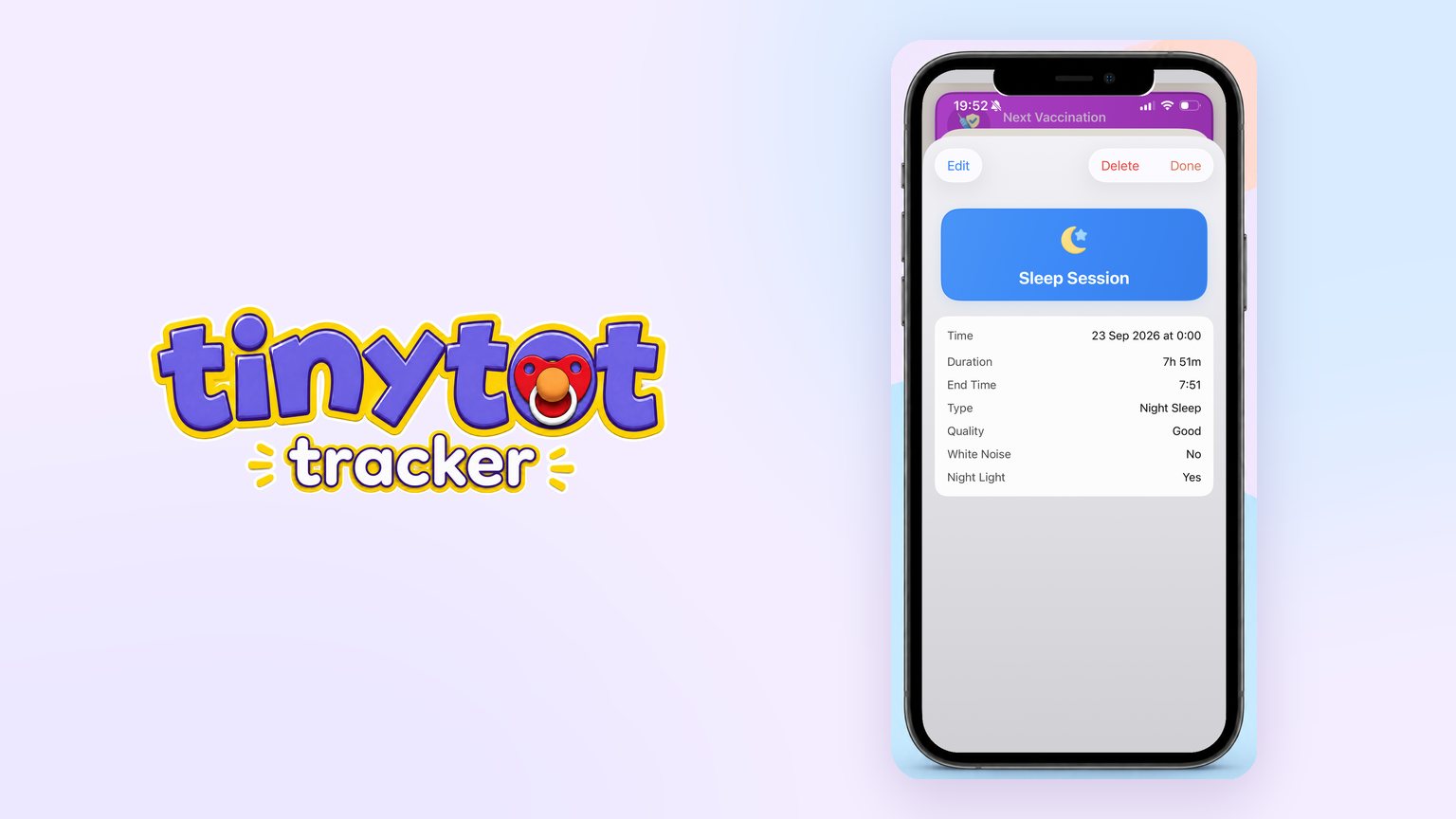
Using an app, Sarah created a schedule based on her baby's sleep windows. She set reminders 10 minutes before each nap time to start her wind-down routine—dim lights, white noise, and a feeding if needed. Within a week, her baby began falling asleep faster and sleeping longer.
Sarah also tracked nighttime wake-ups and realised her baby was waking from overtiredness. She adjusted the daytime nap schedule using the app's insights, and the improvement was almost immediate. With sleep logs and alerts keeping her consistent, she finally felt in control again—and even caught up on some much-needed rest.
A Dad's Routine Revolution Using Technology
Josh, a full-time working dad, wanted to be more hands-on with his newborn but often felt like he was missing critical moments. His wife handled most of the caregiving, and by the time he got home, he didn't know what had happened that day.
The solution? Shared digital reminders and logs.
Using a baby tracking app, Josh and his wife synced nap times, feedings, and nappy changes. He began setting reminders on his smartwatch for story time or tummy time when he got home. It became their way of reconnecting—not just as parents, but as partners. He even scheduled morning bottle duty on weekends, giving his wife a much-needed break.
Now, Josh feels confident in his role, their communication is stronger, and their baby enjoys a balanced routine with both parents fully engaged.
Building a Personalised Reminder System
Tailoring Alerts to Your Baby's Age and Needs
No two babies are the same. A one-month-old has drastically different needs than a one-year-old. That's why your reminder system should grow and change with your child.
In the early months, focus on:
- Feeding every 2–3 hours
- Nappy changes every 2–4 hours
- Nap time every 90 minutes
As your baby grows, your reminders will shift toward:
- Solid food introduction
- Structured playtime
- Outdoor activities
- Language-building routines (like reading)
Use your tracking data to make tweaks. For instance, if your baby seems fussy before the 2-hour feeding mark, shift the reminder back by 15–30 minutes. The more you observe and adjust, the better your system will work for your unique baby.
Adjusting Reminders as Your Baby Grows
Growth spurts, teething, and developmental leaps can throw routines off track. That's okay! The goal is flexibility, not perfection. Use your reminders as guideposts—not strict rules.
You might pause or snooze a reminder when the day goes sideways, or adjust the schedule entirely after a vacation or illness. What matters is consistency over time, not daily rigidity.
Also, remember to build in seasonal and milestone-based changes. When your baby starts crawling or walking, you may want reminders for baby-proofing or transitioning nap schedules.
The golden rule? Keep evolving. Let your reminder system adapt to your lifestyle and your baby's developmental stage.
Tips for Making Reminders Work for You
Avoiding Notification Fatigue
While reminders are helpful, they can become overwhelming if your phone is buzzing every 15 minutes. That's why it's important to set intentional alerts—only for things that truly need structure or memory support.
- Use categories like "Essential" (feedings, naps) vs. "Flexible" (playtime, tummy time)
- Bundle tasks into time blocks—for example, a "morning routine" reminder instead of five separate ones
- Mute or minimise non-essential notifications during your core baby care hours
Over time, you'll find a rhythm that keeps you informed without stressing you out.
Keeping It Simple and Sustainable
The best reminder system is the one you'll actually use. If you're not tech-savvy, skip the complex apps and go with a basic calendar or handwritten chart. If you love tech, dive into smartwatches, voice-activated assistants, and synced calendars.
Keep the design minimal, intuitive, and visual when possible. Use emojis, colours, or categories to organise tasks at a glance.
And don't be afraid to tweak. The more personalised your reminder system is, the more naturally it becomes part of your parenting flow.
Conclusion and Final Thoughts
Let's face it—parenting is beautiful chaos. You're juggling bottles, burps, blowouts, and baby snuggles, all while trying to remember what day it is. Reminders offer a way to cut through the noise. They're like having a calm, organised co-pilot by your side, keeping your baby's routine on track and your mind just a little more at ease.
Whether you're managing solo, co-parenting, or coordinating with grandparents or nannies, reminders can be a powerful tool to bring order, reduce stress, and enhance your baby's development.
You don't need to remember every feed, nap, or lullaby. That's what reminders are for. You just need to be present, show up with love, and trust the system you've built.
Because when your day runs smoother, your baby thrives—and so do you.
FAQs
What's the best app for baby routine reminders?
Apps like Huckleberry, Baby Tracker, and Glow Baby are highly recommended for tracking feedings, naps, and more. They also offer smart reminders tailored to your baby's age and patterns.
Are phone reminders enough for managing baby routines?
Yes, for many parents, simple phone alarms or calendar alerts are sufficient. However, apps provide added features like tracking, syncing with caregivers, and analysing routines.
How can I manage routines with twins or multiple kids?
Use colour-coded systems or app profiles for each child. Shared calendars and divided schedules help avoid overlap and ensure each child's needs are met individually.
What if reminders make me feel stressed?
Adjust your system. Turn off non-essential alerts, reduce frequency, and only set reminders for tasks you often forget. The goal is support—not pressure.
How long should I use reminders for baby routines?
Use them as long as they help. Many parents rely on them through the first year, especially during major milestones like starting solids, crawling, or transitioning to one nap.