Introduction
It's time to bury the myth of the "backup parent." For far too long, dads have been portrayed as the comic relief of parenting—enthusiastic but clueless, present but peripheral. But here's the truth that more families are waking up to: being a dad isn't about standing on the sidelines—it's about getting in the game.
Fatherhood today looks radically different than it did a generation ago. Dads are showing up in delivery rooms, changing nappies, wearing babies, learning lullabies, and attending paediatrician appointments. They're juggling midnight feeds and school pickups. They're leading with love, presence, and vulnerability. And it matters.
This article is a wake-up call and a rally cry for every dad, soon-to-be dad, or partner wondering, "What's my role in all of this?" Spoiler alert: your role is everything. Let's dismantle old stereotypes and get real about what it means to be an active, present father in today's world.
The Evolution of Fatherhood
From Breadwinner to Co-Parent
Not long ago, a dad's role was crystal clear: work hard, provide, and occasionally toss the football on weekends. Emotional presence? Nurturing? Not really part of the job description. But as family dynamics have evolved, so have expectations of what it means to be a father.
Today's dads are co-parents, not just co-signers. They're in the trenches with their partners from the start—feeding, soothing, cleaning, educating, and loving right alongside them. The breadwinner narrative hasn't disappeared entirely, but it's no longer the only measure of value.
What's emerging instead is a more complete version of fatherhood—one that values presence as much as provision, empathy as much as earnings, and hands-on involvement over traditional gender roles.
This shift is powerful. It challenges generational norms and sets a healthier, more balanced foundation for families. And most importantly, it gives kids something every child deserves: both parents fully engaged in their lives.
Society's Expectations vs. Reality
While progress is being made, many dads still feel trapped by outdated expectations. Society tends to give dads gold stars for doing the bare minimum—attending a parent-teacher meeting or taking their child to the park—while mums are expected to run the entire household without applause.
This double standard hurts everyone. It pressures mums to do it all and shames dads for wanting to be more than just providers. But the reality is, modern dads want to be involved. They just often lack the roadmap, support, or encouragement to fully step in.
We need to change the script. Fatherhood isn't babysitting. It isn't "stepping in to help." It's parenting, plain and simple. And when dads show up with consistency and intention, families thrive.
Why Presence Matters More Than Perfection
Emotional Availability Over Material Provision
A new phone. A better cot. The latest pram. These things are nice, but your child won't remember them. What they will remember is how often you were there.
Kids crave connection, not consumer goods. Emotional presence is what lays the foundation for secure attachment, confidence, and mental well-being. That means making eye contact, listening to their stories—even if they're about dinosaurs or nonsense—and being physically and emotionally available when they need comfort.
Dads don't need to know every answer. They just need to be there.
Your child will never say, "I wish my dad worked longer hours so I could have more stuff." But they will say, "I wish my dad came to my games, read me bedtime stories, or knew my favourite toy."
The Power of Being There – Daily
The real magic isn't in grand gestures. It's in the day-to-day.
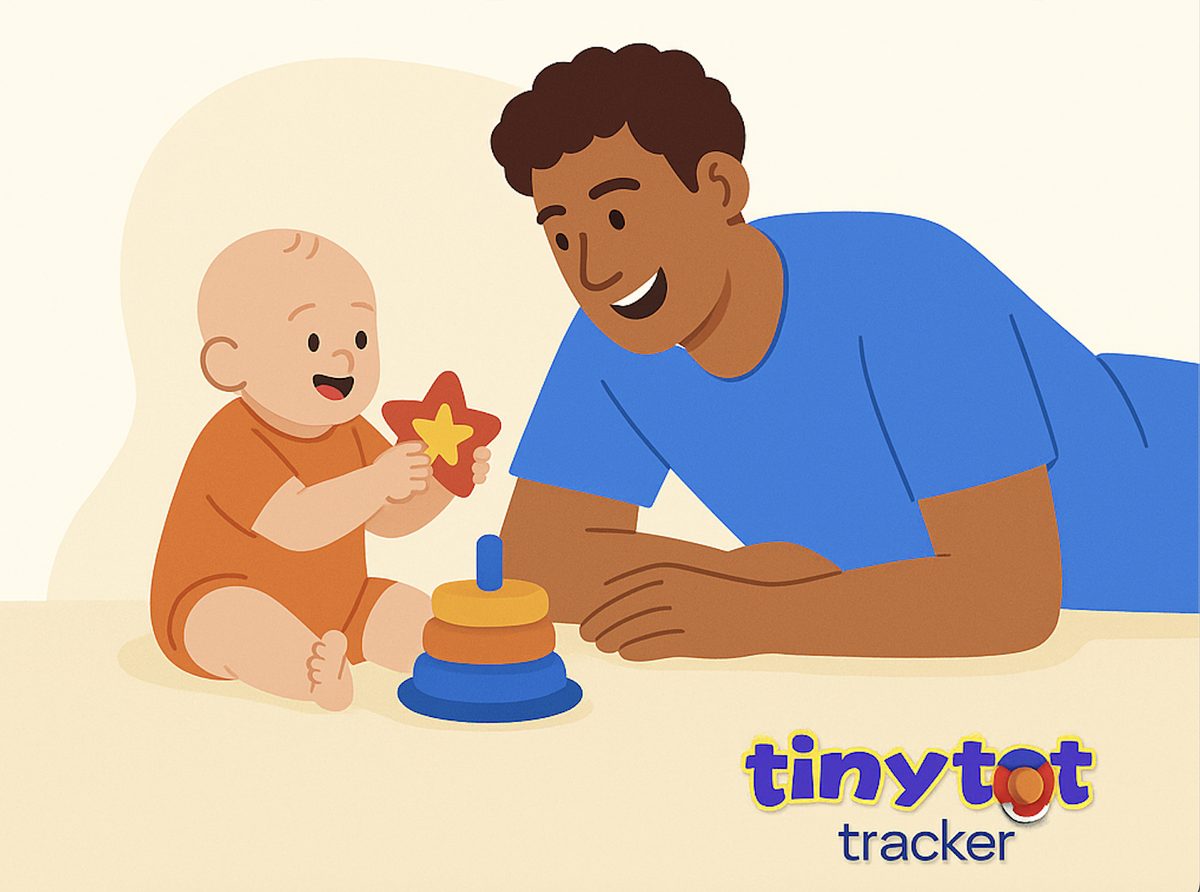
Feeding your baby. Walking them in a pram. Changing a nappy without being asked. Sitting on the floor and building block towers. These ordinary moments create extraordinary bonds.
And here's the kicker—consistency trumps intensity. You don't have to be perfect, but you do have to be present. Your kid doesn't need a superhero. They need a dad who shows up—messy, tired, late, unsure—but still there.
Even 15 focused minutes a day can make a lasting impact. It tells your child, "You matter. I see you. I'm with you." And those moments? They build a foundation that lasts a lifetime.
Shattering the "Helper" Myth
Parenting is Not Just 'Helping Out'
It's time to retire the phrase, "I'm just helping out." You don't help out with your own child—you parent them. The language we use matters, and calling yourself a "helper" subconsciously implies that the real responsibility lies with someone else. Usually, that someone else is your partner.
Let's be real: if you're changing nappies, giving baths, packing lunches, or reading bedtime stories, you're not a substitute teacher—you're the co-CEO of the household.
This shift in mindset isn't about ego—it's about ownership. When both parents are equally involved, everyone benefits. The household runs more smoothly, the emotional labour is more balanced, and your child grows up with a model of equality.
Start with this simple but powerful question: "What needs to be done?" Don't wait for your partner to hand you a to-do list. Step in. Notice. Take action. When dads move beyond "helping" and into full partnership, they lighten the emotional and logistical load—and deepen their connection with their child and partner.
Taking the Lead at Home
Many dads fall into the habit of waiting for instructions—especially in the early days when they feel less confident. But leadership in the home doesn't mean taking over—it means taking initiative.
That might look like:
- Setting up the nappy caddy before baby arrives.
- Knowing the paediatrician's number and tracking appointments.
- Managing daycare or nanny interviews.
- Prepping bottles or tracking feedings on your own.
And yes, it might also mean learning through failure. Maybe you dress the baby in a mismatched outfit or forget the dummy on a walk. Who cares? Every time you show up, you're leveling up.
Leading doesn't mean dominating. It means being responsible. It means showing your partner and child, through actions not words, that you're here for the long haul—and you've got it handled.
The Bond That Builds Over Time
Father-Baby Attachment is Just as Strong
There's a myth that dads can't bond the same way mums do—especially if the mum is breastfeeding or home full-time. Not true.
The bond between a father and child is built the same way any strong relationship is: through time, trust, and shared experience.
Science backs it up. Studies show that dads who engage in daily caregiving—from feeding and nappy changing to soothing and playing—develop just as strong attachments as mums. Oxytocin, the "love hormone," is released in dads during caregiving too. You're biologically wired to bond—you just have to lean in.
And remember, your child will associate your smell, voice, and presence with comfort and safety, just like they do with mum. Bonding is not about biology. It's about showing up—consistently and intentionally.
Little Moments That Count Big
Don't wait for some "perfect" father-child moment to bond. It's the little things that build the relationship:
- Morning cuddles before work.
- Singing during a nappy change.
- Making silly faces while waiting in the car.
- High-fives after a successful spoonful of puree.
These small acts, repeated over and over, form the tapestry of your bond. One day, your child won't remember a single specific bath time—but they'll remember that dad always made bath time fun.
Every time you hold their hand, listen to their rambling story, or comfort them through a tantrum, you're telling them, "I see you. I love you. I'm here."
Supporting Your Partner as an Equal
Communication is the Foundation
Fatherhood isn't just about being a great parent—it's also about being a great partner. The newborn stage is a stress test for any relationship, and clear, compassionate communication becomes your most powerful tool.
Talk openly about what's working, what's not, and how each of you is feeling. Set aside time to check in emotionally—beyond just managing baby logistics. Ask things like:
- "What's something I can take off your plate this week?"
- "How are you coping with the lack of sleep?"
- "Are you feeling supported?"
Avoid the trap of assuming your partner will tell you what they need. They're likely overwhelmed and emotionally taxed. You taking the initiative to ask can make all the difference.
And when they do speak up—listen. Not to respond or defend, but to understand.
Splitting Mental Load and Labour
Your partner might be doing more than you realise—even if the tasks are invisible. Planning baby's schedule, tracking milestones, arranging doctor visits, monitoring growth—this is the mental load, and it's exhausting.
Being a fully engaged dad means sharing that mental labour. That starts with knowing what needs to be done without being told:
- Is there enough formula stocked?
- Did you remember to order more wipes?
- Is baby's next vaccine scheduled?
These aren't her jobs—they're yours too.
Use tools like shared calendars or task apps to help stay aligned. And more importantly, take initiative. The mental burden doesn't get lighter until both partners are carrying it.
Being a Role Model Starts Now
Kids Learn by Watching
Your children are always watching. And what they see shapes their understanding of family, relationships, gender roles, and emotions. Every time you do the dishes, change a nappy, or comfort your child when they cry, you're teaching them what love looks like.
You're showing your son that masculinity includes gentleness and presence. You're showing your daughter that partnership is about equality, respect, and shared effort. These lessons don't come from lectures—they come from you being you.
Want to raise kind, compassionate, respectful kids? Model it.
Redefining Strength for the Next Generation
The strongest fathers are not the loudest. They're not the ones who command respect through fear or dominance. True strength looks like empathy, patience, vulnerability, and unconditional love.
When you allow yourself to be fully human with your child—when you show emotion, apologise when you're wrong, and express affection—you give them permission to do the same.
You're redefining what it means to be a man, a parent, and a partner—not just for your child, but for generations to come.
Overcoming Barriers to Active Fatherhood
Work-Life Balance Challenges
One of the biggest hurdles for many dads is balancing work and family life. You might feel like you're constantly being pulled in two directions—trying to succeed professionally while still showing up fully at home. And let's be honest, society still often applauds dads more for working overtime than for taking paternity leave.
But here's the hard truth: being there for your family is just as important—if not more so—than climbing the corporate ladder.
Start by advocating for yourself. Use your paternity leave if it's available. If your workplace isn't supportive, speak up or seek flexibility where you can—remote work days, adjusted hours, or even cutting back temporarily if feasible. Small shifts in schedule can create big moments of connection at home.
When you prioritise family time—whether it's bath time before bed or weekend park trips—you're sending a powerful message: "You matter to me." And your child will never forget that.
Confidence and the Learning Curve
Let's be real—part of why many dads stay on the sidelines is fear. Fear of doing it wrong, of being judged, of not knowing what to do. But guess what? Mums don't have it all figured out either. They just get more practice earlier on.
Confidence isn't a prerequisite for fatherhood—it's a result of participation.
The more you do, the more capable you'll feel. Nappy blowouts, fussy feedings, meltdowns in public—they're not signs that you're failing. They're part of the deal. You're not expected to be an expert—you're expected to show up and learn.
Every dad you admire today started where you are now: uncertain, awkward, tired, and a little scared. What separates them isn't perfection—it's commitment.
So lean in. Mess up. Ask questions. Get better. That's what great dads do.
Building a Legacy of Presence
Your Child Will Remember Your Involvement
Years from now, your child won't remember how much money you made, what kind of car you drove, or how often you travelled for work. They'll remember if you showed up.
They'll remember if you coached their team, helped with homework, danced in the kitchen, or sat with them when they cried.
Your presence now creates a lifetime of emotional security. It tells your child, "You're important. I'm here. I've got you." That message, repeated through daily actions, becomes the backbone of your relationship.
And even if your own father wasn't that kind of role model, you have the chance to start a new story. You can be the dad you always needed—or always wanted to be.
Changing the Narrative for Future Fathers
When you fully embrace your role, you're not just changing your family—you're influencing your community. You're challenging outdated norms and making space for a new kind of fatherhood: one rooted in presence, equality, and love.
Other dads will see you babywearing in the grocery store or leading bedtime routines and think, "If he can do it, I can too." Your kids will grow up expecting shared responsibilities and emotional openness—not outdated roles and silent suffering.
You're not just a dad. You're a trailblazer. And your example matters.
Let's raise boys who aren't afraid to nurture. Let's raise girls who expect support and respect. Let's raise kids who see parenting as a partnership.
Conclusion
Being a dad isn't about waiting on the sidelines until you're called in—it's about running onto the field and playing full-out from day one.
You don't need to be perfect. You don't need to have all the answers. You just need to be present, consistent, and committed. Show up in the messy moments, the tired moments, the joyful moments—and everything in between.
You're not a helper. You're not a backup. You're a father. A leader. A role model.
So get in the game. Your kids are watching. And they think you're a hero—even on your worst day.
FAQs
1. What are practical ways dads can be more involved from day one?
Hold your baby skin-to-skin, take over nappy duty, handle burping after feeds, track feedings and naps, and talk, sing, and read to your newborn. Learn their patterns, cues, and needs just like your partner does.
2. How can I bond with my baby if I'm working full time?
Make the time you do have count. Start a morning or bedtime routine, do bath time when you get home, or take weekend outings together. Even small, consistent rituals can create deep connections.
3. My partner seems to do everything—how do I step up?
Start by noticing what needs to be done, and take initiative. Ask, "What can I take off your plate today?" Learn the routines, share the mental load, and talk regularly about what each of you needs.
4. What does "sharing the mental load" mean?
It's about more than physical tasks. It's the invisible planning, remembering, and anticipating that often falls on one partner. Taking mental ownership of your child's needs—like scheduling appointments or packing bags—is how you truly share the load.
5. How can I model emotional intelligence to my children?
Express your feelings openly. Apologise when you're wrong. Talk about your day and ask about theirs. Show empathy and compassion—not just for your child, but in how you treat your partner and others.