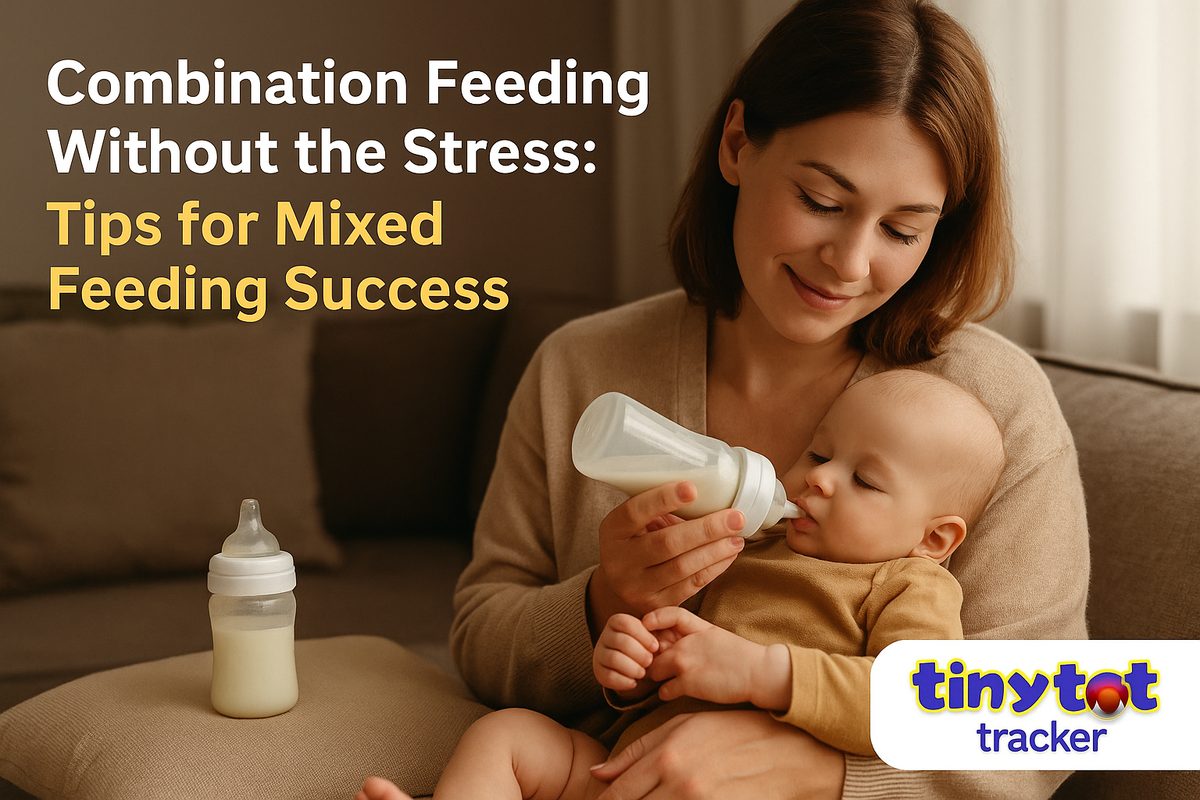
Feeding your baby is one of the first—and most important—decisions you'll make as a parent. Whether you choose breastfeeding, bottle feeding, or a combination of both, knowing the safest, most effective methods is crucial. The NHS (National Health Service) in the UK offers clear, evidence-based recommendations to help parents navigate this journey with confidence. From proper bottle prep to mastering breastfeeding, this guide breaks it all down step by step.
Let's dive into what the NHS really says about bottle prep and breastfeeding—and how to make feeding time smooth and stress-free.
Understanding Infant Feeding Options
Breastfeeding vs. Bottle Feeding
When it comes to feeding your newborn, the age-old question always arises: breast or bottle? The NHS strongly supports breastfeeding as the ideal source of nutrition for infants, especially in the first six months. Breastmilk is a living fluid—packed with antibodies, enzymes, and hormones—that adapts to your baby's changing needs. It's a custom-made meal every single time.
But what if breastfeeding isn't working out? Or what if you simply choose to bottle feed from the start? That's perfectly okay, too. The NHS recognises that every parent's situation is different. Some may have medical conditions, others might face latch issues, and some may just prefer the flexibility of formula feeding. And that's valid.
Bottle feeding—whether with expressed breastmilk or infant formula—provides babies with all the nutrients they need to grow, especially when done according to NHS-approved guidelines. What's most important is that your baby is fed, loved, and thriving.
The key is making informed choices. Know your options. Understand the pros and cons. And remember, feeding is not just about nutrients—it's about bonding, too.
Mixed Feeding Explained
Mixed feeding, or combination feeding, simply means offering both breastmilk and formula. According to the NHS, many families choose this route, especially if a parent returns to work, faces supply issues, or wants to involve a partner in night feeds.
The NHS suggests starting with exclusive breastfeeding for at least the first few weeks if possible, then introducing bottles once breastfeeding is well-established—usually after about 6 weeks. This helps prevent nipple confusion and protects milk supply.
Some parents express breastmilk to offer in a bottle, maintaining the benefits of breastmilk while gaining bottle-feeding flexibility. Others supplement with formula when needed.
Mixed feeding isn't always straightforward. Your supply might dip if you're not breastfeeding frequently, and some babies may show a preference for the bottle (because it's easier!). The NHS recommends paying attention to feeding cues and using paced bottle feeding to mimic breastfeeding rhythms.
In the end, combination feeding is about balance—finding a method that nourishes your baby and fits your family's lifestyle.
NHS Guidelines on Breastfeeding
Benefits of Breastfeeding for Baby
Breastfeeding is more than just a source of food. It's an immune system booster, brain developer, and comfort provider all rolled into one. The NHS recommends exclusive breastfeeding for the first six months and continuing alongside solid foods up to one year—and beyond if desired.
So, what's in breastmilk that makes it so magical? Here's the breakdown:
- Antibodies: Breastmilk is packed with immunoglobulins, which help protect your baby against common illnesses like colds, ear infections, and stomach bugs.
- Perfect nutrition: It contains the exact right balance of fat, protein, and carbs your baby needs—plus vitamins and minerals in their most absorbable form.
- Digestibility: Babies digest breastmilk more easily than formula, reducing issues like constipation or gas.
- Brain development: Studies suggest breastfed babies may have slightly higher IQ scores and better brain connectivity.
The act of breastfeeding also promotes skin-to-skin contact, which boosts bonding, regulates your baby's temperature and heartbeat, and releases oxytocin—the "love hormone"—in both you and your baby.
And yes, even the colostrum—the thick, yellow milk in the first days after birth—is a superfood. It's rich in antibodies and preps your baby's digestive system for the world.
Benefits for the Mother
While the baby reaps loads of benefits from breastfeeding, mothers aren't left out either. The NHS highlights several powerful reasons to breastfeed from a maternal health perspective:
- Faster recovery after birth: Breastfeeding triggers oxytocin, which helps the uterus contract and reduces postpartum bleeding.
- Calorie burn: Nursing burns up to 500 extra calories a day—helping you lose pregnancy weight more naturally.
- Reduced cancer risk: Studies show that breastfeeding lowers the risk of breast and ovarian cancer later in life.
- Lower risk of type 2 diabetes and cardiovascular disease.
On a more emotional level, breastfeeding fosters deep bonding. Many mothers report a strong connection during nursing sessions—and it can become a peaceful, grounding routine amid the chaos of newborn life.
Of course, it's not always easy. There can be latch problems, nipple pain, or worries about supply. But the NHS provides support through midwives, health visitors, and feeding clinics to help overcome those early bumps.
Common Breastfeeding Challenges and NHS Solutions
Breastfeeding might be natural, but it's not always intuitive. In fact, many parents struggle in those first few weeks. That's why the NHS offers a whole toolkit of support for common breastfeeding problems.
1. Poor latch: If your baby isn't latched properly, they won't get enough milk—and your nipples might suffer. The NHS recommends checking baby's mouth positioning (wide open mouth, chin touching breast) and trying different holds like the rugby or cross-cradle position.
2. Sore nipples: This is one of the most common complaints. Solutions include expressing a few drops of breastmilk to rub on the nipple after feeds (it's antibacterial!), using nipple creams, and improving the latch.
3. Low milk supply fears: Many new parents worry they're not making enough milk. But most of the time, it's a perception issue. NHS advice? Feed on demand, offer both breasts, and don't top-up unnecessarily with formula, especially in the early days.
4. Engorgement: If your breasts feel painfully full, try expressing a little milk to soften them before feeding, using warm compresses, and feeding frequently.
The NHS also encourages talking to your midwife or health visitor if breastfeeding feels overwhelming. You're never alone—and with a little support, most issues can be sorted quickly.
NHS Recommendations for Bottle Preparation
Types of Infant Formula
Choosing a formula can feel overwhelming—there are so many brands, types, and promises on the label. But here's the NHS's stance: First infant formula (based on cow's milk) is the only type your baby needs for the first year. There's no need to switch to "follow-on" or "hungry baby" milk unless specifically advised by your doctor.
First infant formula contains all the essential nutrients your baby needs. It's designed to be as close as possible to breastmilk in terms of nutritional content. Although nothing matches breastmilk's complexity, today's formulas are heavily regulated to ensure safety and quality.
Let's break down the options:
- First infant formula (suitable from birth): NHS-recommended starting point for formula-fed babies.
- Comfort milk: Marketed for colic or constipation, but there's little evidence it works better than standard formula.
- Anti-reflux formula: Thicker, designed to stay down better. Always speak with a GP or health visitor before trying.
- Goat's milk-based formula: An alternative for some families, but nutritionally no better than cow's milk formula.
- Soya formula: Not generally recommended unless advised by a medical professional due to the presence of phytoestrogens.
Important tip: Always consult with a midwife, GP, or health visitor before switching formulas. Sometimes it's not about the formula—it's about feeding technique, preparation, or baby's digestion maturing over time.
Safe Formula Preparation Practices
This is where precision matters. Improper formula prep can lead to bacterial infections, especially in newborns with still-developing immune systems. The NHS provides very specific steps for preparing formula safely:
- Boil fresh tap water. Even in developed countries like the UK, formula powder isn't sterile. Always use freshly boiled water that's been cooled to no less than 70°C (within 30 minutes of boiling) to kill any potential bacteria.
- Measure accurately. Use the scoop provided with the formula. Don't pack the powder or heap the scoop—level it off. Too much powder can dehydrate your baby; too little means they're undernourished.
- Mix thoroughly. Add the water to the bottle first, then the powder. Shake well to avoid clumps.
- Cool safely. Once mixed, cool the bottle under running cold water or place it in a bowl of cold water. Test the milk's temperature on the inside of your wrist—it should feel lukewarm, not hot.
- Use immediately. NHS guidelines recommend using made-up formula within two hours. If you need to prepare ahead, refrigerate it immediately and use within 24 hours.
Never microwave formula—this creates hot spots that can scald your baby's mouth. And don't reuse leftover milk from a previous feed. Bacteria multiply quickly in lukewarm formula.
Storing Formula Safely
Storage errors are a common source of feeding-related illness. That's why the NHS lays out clear rules on storing both powdered formula and prepared bottles.
For unopened formula tins:
- Keep in a cool, dry place—not the fridge.
- Once opened, use within one month (check packaging for specific times).
For made-up bottles:
- Ideally, prepare fresh for each feed.
- If necessary, prepare and store in the fridge for up to 24 hours (at 5°C or below).
- Transport bottles in a cool bag and use within 4 hours, or warm within 2 hours and feed immediately.
For night feeds:
NHS suggests either:
- Using a thermos to store hot water and prepping fresh bottles when needed.
- Pre-making bottles and keeping them in the back of the fridge, then warming as needed.
Remember, it's not just about the nutrients—it's also about reducing the risk of harmful bacteria like Cronobacter sakazakii, which thrives in warm, moist conditions.
Sterilisation and Hygiene Standards
Why Sterilisation is Essential
Infant immune systems aren't fully developed, which makes them especially vulnerable to germs. The NHS stresses that every bottle, teat, and piece of feeding equipment must be sterilised until your baby is at least 12 months old.
Why? Because harmful bacteria can survive even thorough washing. Without sterilising, these germs could cause anything from mild tummy upsets to serious infections like gastroenteritis.
And this isn't just about formula-fed babies. Even if you're expressing breastmilk, your pump parts and storage bottles need sterilising too.
Some of the most common bacteria that can grow in unclean equipment include:
- Salmonella
- Listeria monocytogenes
- E. coli
- Staphylococcus aureus
Clean hands, clean counters, and sterilised bottles form the trifecta of safe bottle feeding. Don't skip this step—it truly is vital.
Sterilising Methods Recommended by the NHS
The NHS outlines several safe ways to sterilise feeding equipment. Choose the one that fits your routine best:
1. Steam Sterilising (Electric or Microwave):
- Kills bacteria quickly with hot steam.
- Takes about 8–10 minutes.
- Items stay sterile for up to 24 hours if the lid remains closed.
2. Cold Water Sterilising:
- Uses sterilising tablets or liquid (like Milton).
- Soak items in the solution for 30 minutes.
- Must change the solution every 24 hours.
3. Boiling:
- Submerge bottles in boiling water for at least 10 minutes.
- Watch for melting or damage—some plastics aren't boil-safe.
Pro tip: Always wash bottles in warm, soapy water first—even before sterilising. Use a bottle brush to clean all the nooks and crannies.
Cleaning Bottles and Equipment Thoroughly
Sterilisation is only effective if the equipment is properly cleaned first. That means no leftover milk, no clumps in the teat, no dried formula at the bottom of the bottle.
Step-by-step cleaning checklist:
- Rinse bottles, teats, and lids under cold water immediately after use.
- Wash everything thoroughly in warm, soapy water.
- Use a separate bottle brush to clean inside the bottle and teat (regular dish sponges won't cut it).
- Rinse all parts again with clean water.
- Then, and only then, move on to sterilising.
After sterilising: Assemble bottles with clean hands or tongs, not straight from the sink. If you're not using the bottle right away, store it in a sterile container with the cap on.
It may sound like a lot of steps—but it quickly becomes second nature. And it's worth it for your baby's health and safety.
Transitioning Between Breast and Bottle
Tips for Introducing a Bottle to a Breastfed Baby
Introducing a bottle to a breastfed baby can be a delicate process. According to the NHS, timing and patience are key. If you plan to continue breastfeeding alongside bottle feeding, it's best to wait until breastfeeding is well-established—usually around 4 to 6 weeks.
Here are the NHS-backed tips to make the transition smoother:
- Start gradually: Offer a bottle once a day at first, ideally when your baby is calm and not overly hungry.
- Choose a slow-flow teat: This mimics the flow of breastmilk and encourages your baby to suck more actively, like they do at the breast.
- Let someone else feed: Babies may refuse a bottle from mum because they associate her with breastfeeding. Have your partner or a trusted caregiver try instead.
- Hold baby in a similar position: Try holding your baby in a semi-upright position, close and with eye contact, to recreate the comfort of breastfeeding.
- Be consistent but flexible: If your baby refuses the bottle, wait and try again later. Forcing it can create a negative association.
Some babies take to the bottle easily; others resist. The NHS emphasises that with time, most babies will accept both breast and bottle—especially if it's introduced in a calm, unpressured way.
Avoiding Nipple Confusion
One of the most common concerns with mixed feeding is nipple confusion. This happens when a baby prefers the bottle because milk flows faster, requiring less effort than breastfeeding.
To reduce the risk, the NHS recommends:
- Paced bottle feeding: Hold the bottle horizontally, allowing milk to flow slowly. Give your baby breaks, just like during breastfeeding.
- Use breast-like teats: Choose teats that closely resemble the shape and movement required for breastfeeding.
- Avoid early bottle introduction: If you want to breastfeed long-term, delay bottle introduction until breastfeeding is going well (usually after 6 weeks).
- Offer comfort nursing: Continue offering the breast regularly to reinforce familiarity and connection.
Babies are smart, and with a little guidance, they often adapt. Responsive feeding and observation are crucial—watch how your baby feeds and adjust your approach accordingly.
Managing Feed Times with Mixed Feeding
Balancing breast and bottle feeds doesn't have to be stressful, but it does require a bit of structure—especially if you're trying to maintain your milk supply.
Here's what the NHS recommends:
- Feed on demand: Whether it's breast or bottle, let your baby's hunger cues guide feeding times.
- Alternate between breast and bottle: For example, breastfeed in the morning and evening, and offer a bottle at midday or night.
- Pump if you skip a breastfeed: To maintain milk production, express milk when your baby takes a bottle instead of the breast.
- Monitor baby's weight and nappies: As long as your baby is gaining weight and producing at least six wet nappies a day, they're likely getting enough milk.
Combination feeding gives flexibility, but consistency is important. If you breastfeed less often without expressing, your milk supply will naturally decrease.
Responsive Feeding and Baby Cues
Understanding Baby's Hunger Signals
Feeding your baby responsively—also known as cue-based feeding—is at the heart of NHS recommendations. It means feeding your baby when they show signs of hunger, not just by the clock.
Common hunger cues include:
- Sucking on fists or fingers
- Rooting (turning head towards your breast)
- Lip-smacking
- Becoming restless or fidgety
- Soft cooing or light whimpers
Crying is actually a late sign of hunger. The earlier you catch the signs, the easier and calmer feeding tends to be.
Responsive feeding helps build trust, promotes better milk production, and supports your baby's natural growth patterns. Whether breastfeeding or bottle feeding, tune into your baby's signals. Every baby is unique, and feeding rhythms can change daily.
NHS View on Scheduled vs. On-Demand Feeding
The NHS firmly advises on-demand feeding during the newborn period, especially if you're breastfeeding. Scheduled feeding may not meet your baby's changing needs and could negatively impact your milk supply.
Why is on-demand feeding better?
- It allows babies to regulate their own appetite.
- It ensures they get enough milk during growth spurts.
- It helps with bonding and comfort.
- It supports longer breastfeeding duration.
For bottle-fed babies, on-demand feeding is also encouraged. However, you can guide your baby with routine over time—as long as you stay flexible. Watch your baby, not the clock. This approach creates a healthy feeding relationship that respects your baby's natural cues.
Feeding in the First Six Months
Exclusive Breastfeeding Recommendations
The NHS recommends exclusive breastfeeding for the first six months of a baby's life. That means no water, juice, or solid foods—just breastmilk (or formula, if breastfeeding isn't possible).
Here's why:
- Breastmilk contains everything a baby needs—including hydration.
- Babies' digestive systems aren't mature enough for solids before 6 months.
- Introducing other foods or drinks early can increase the risk of allergies, tummy issues, and reduced breastmilk intake.
Exclusive breastfeeding also provides the strongest immune protection during this vulnerable period. The antibodies in breastmilk help build your baby's defences against illness and infection.
Even if you can't exclusively breastfeed for six months, every drop of breastmilk helps. The NHS encourages breastfeeding for as long as it works for you and your baby, alongside solids once introduced.
How to Safely Introduce Formula or Expressed Milk
If you're breastfeeding but need to introduce formula or expressed milk, do it with care. The NHS recommends a gradual approach to avoid overwhelming your baby or upsetting your milk supply.
Step-by-step guide:
- Start with one bottle a day to get your baby used to the change.
- Offer the bottle at a time when your baby is calm—not overly hungry or tired.
- Use a slow-flow teat and hold the bottle in a semi-upright position.
- Practice paced feeding to mimic breastfeeding.
- Watch for signs your baby is full (turning away, slowing down, pushing bottle out).
If you're expressing breastmilk, store it properly (in sterilised containers in the fridge or freezer) and warm it safely. Never reheat expressed milk more than once.
Introducing formula doesn't mean the end of breastfeeding. Many families find a hybrid approach that works beautifully. The NHS supports what works best for you and your baby.
Weaning and Beyond
When to Start Weaning
Weaning—introducing your baby to solid foods—is a big milestone, and the NHS has clear guidelines. The recommended age to start weaning is around 6 months. At this point, most babies are developmentally ready to try new textures and flavours while still getting most of their nutrition from breastmilk or formula.
Signs your baby might be ready include:
- Sitting up well with minimal support
- Good head and neck control
- Showing interest in food and reaching for it
- Ability to swallow food rather than push it out with their tongue
What's not a sign of readiness? Waking up at night or chewing on fists—those are normal baby behaviours.
The NHS advises starting with simple purees or soft finger foods, like mashed vegetables or fruits. At this stage, food is about exploration, not nutrition, so don't worry if your baby eats just a few spoonfuls.
And remember: continue breastfeeding or bottle feeding alongside solids until at least one year old. Gradually, solids will replace some milk feeds, but there's no need to rush.
Complementary Feeding While Breastfeeding or Bottling
Complementary feeding is the phase where solids complement—not replace—breastmilk or formula. The NHS recommends offering solids once a day at first, then slowly increasing frequency and variety over time.
Here's how to balance feeding:
- 6–7 months: One small meal per day, followed by milk feeds.
- 8–9 months: Two to three meals, plus breastmilk/formula as needed.
- 10–12 months: Three meals and small snacks, with milk still playing a key role.
Keep milk feeds flexible. Some babies will want more breastmilk during teething or growth spurts, even after starting solids. That's completely normal.
The NHS also encourages offering a wide range of textures and tastes early on to prevent picky eating later. Just avoid added salt, sugar, honey (before 12 months), and whole nuts (choking hazard).
NHS Support Services for Feeding Parents
Midwives and Health Visitors
From the moment your baby arrives, the NHS offers a strong support network. Midwives and health visitors are the first line of guidance for all things feeding.
Midwives support you in the early days—helping with latch, teaching responsive feeding, and checking baby's weight gain. They visit you at home or in hospital during the first week.
Health visitors take over after that, usually from 10–14 days postpartum. They can assist with:
- Feeding challenges
- Growth tracking
- Weaning advice
- Access to local resources and support groups
These professionals are trained to support both breastfeeding and formula feeding—without judgment. So don't hesitate to ask questions or share concerns. They've heard it all before.
Breastfeeding Support Groups and Helplines
If you're struggling or simply need reassurance, the NHS provides several free resources:
- National Breastfeeding Helpline (0300 100 0212): Open daily, staffed by trained volunteers.
- Local breastfeeding support groups: Many run through children's centres or NHS trusts.
- La Leche League and NCT: Offer telephone support and virtual sessions.
- Online resources: NHS Start for Life provides feeding tips, videos, and growth charts.
Some NHS hospitals are UNICEF Baby Friendly accredited, meaning they follow gold-standard feeding support practices. Ask if yours is one of them.
Remember: asking for help doesn't mean you're failing—it means you're doing everything you can to feed your baby well.
Common Myths vs. NHS Facts
Breast Size and Milk Supply
One persistent myth? That breast size determines how much milk you can make. It doesn't.
The NHS is clear: milk supply is driven by demand, not cup size. Small breasts can produce just as much milk as large ones. What matters is how often your baby feeds and how effectively they latch.
Your breasts may feel fuller or softer at different times—that's normal. Supply naturally adjusts to your baby's needs. If you're feeding on demand and baby is gaining weight and having plenty of wet nappies, you're making enough.
Still worried? Speak to a lactation consultant or health visitor. But don't let myths shake your confidence.
Formula is Just as Good as Breastmilk?
Another common debate is whether formula is "just as good" as breastmilk. The NHS supports breastfeeding as the optimal choice due to its immune-boosting, living properties. That said, formula is a safe and nutritious alternative, especially when breastfeeding isn't possible or preferred.
Key NHS facts:
- Formula provides the necessary nutrients for healthy growth.
- It does not contain live antibodies or tailor itself to baby's changing needs like breastmilk does.
- Both formula-fed and breastfed babies can thrive when loved, nurtured, and fed responsively.
The important takeaway? Fed is best—but informed is better. Choose what works for you, without guilt or pressure.
Managing Feeding While Out and About
NHS Tips for Public Breastfeeding
Breastfeeding in public is legal and protected under UK law. The NHS encourages parents to feel confident feeding their baby wherever they are—parks, cafes, shopping centres, or on public transport.
Tips to feel more comfortable:
- Use a nursing cover, scarf, or baby sling if you prefer privacy.
- Practice at home with different tops or nursing bras to build confidence.
- Choose baby-friendly spots—many cafes and stores display "Breastfeeding Welcome" signs.
- Know your rights: It's illegal for anyone to ask you to stop breastfeeding in public.
Nervous about judgment? Remind yourself: you're feeding your baby, not doing anything wrong.
Prepping Bottles for Travel
Bottle feeding on the go takes a bit more prep, but it's totally doable. The NHS suggests several safe options:
- Use ready-made formula: Comes in small cartons—no need to heat or mix.
- Take a flask of hot water: Mix formula fresh using boiled water over 70°C.
- Pack a clean, sterilised bottle: Keep it sealed in a sterile container or bag.
Never keep pre-mixed formula at room temperature for more than two hours. And avoid re-heating milk more than once.
Some parents also bring a cooler bag with ice packs to store bottles while travelling. Just don't forget a bib and muslin cloth—feeding on the go can get messy!
Emotional and Mental Wellbeing
Dealing with Feeding Guilt
Guilt is a heavy burden—especially when it comes to feeding choices. Whether you're unable to breastfeed, struggling with latch issues, or choosing formula from the start, it's easy to feel judged.
But the NHS stresses this truth: a fed, loved baby and a healthy, supported parent are the top priorities.
Your feeding journey is yours alone. You don't owe anyone explanations. What matters is that you're making informed decisions based on your situation—not pressure or comparison.
It's okay to grieve a feeding plan that didn't go as expected. But also allow yourself to celebrate the ways you're showing up for your baby—every bottle, every cuddle, every tear wiped.
Self-Care for New Parents
Caring for a baby is exhausting. Feeding around the clock leaves little time for yourself. But self-care isn't selfish—it's essential.
Here's what the NHS suggests:
- Rest whenever possible—even short naps count.
- Accept help—with feeds, chores, or errands.
- Eat well and hydrate—your body needs fuel, especially if breastfeeding.
- Talk to someone—whether it's a friend, health visitor, or therapist.
If you're feeling persistently low, anxious, or detached, it might be more than the "baby blues." Don't suffer in silence—postnatal mental health support is available through the NHS.
You deserve care just as much as your baby does.
Partners and Family Involvement
How Partners Can Support Feeding Choices
Partners play a powerful role in feeding—regardless of whether the baby is breastfed or bottle fed. According to the NHS, supportive partners can boost breastfeeding success, ease the load, and strengthen bonding.
Ways to help:
- Offer encouragement and reassurance
- Help with positioning or burping
- Prepare snacks and water during feeds
- Handle sterilising and bottle prep
- Do night feeds (if using expressed milk or formula)
The more involved a partner is, the more confident both parents tend to feel. Feeding becomes a team effort—not just a maternal responsibility.
Sharing Night Feeds
Night feeds are inevitable—but they don't have to fall solely on one parent. If you're combination feeding or expressing, night feeds are a great way for your partner to step in.
Some families rotate nights. Others share duties (e.g., one feeds while the other burps or changes the nappy). Either way, communication is key.
The NHS supports any arrangement that helps both parents get as much rest and support as possible. A well-rested family is a healthier, happier one.
NHS-Approved Resources for New Parents
Trusted NHS Links and Apps
Need reliable advice without the social media myths? Stick with these NHS-approved resources:
- NHS Start for Life
- National Breastfeeding Helpline
- NHS.uk Baby Feeding
- The Lullaby Trust – Safe sleep and feeding advice
Educational Classes and Workshops
Many NHS trusts offer free or low-cost classes on:
- Antenatal and postnatal feeding
- Weaning
- Pumping and expressing
- Infant first aid
Ask your midwife or health visitor what's available in your area. These sessions can build your confidence and connect you with other parents going through the same stage.
Conclusion
Feeding your baby is one of the most meaningful—and at times challenging—parts of parenting. Whether you breastfeed, bottle feed, or do a bit of both, the NHS is here to guide, support, and empower you with evidence-based advice.
Remember, every baby is different. What works for one family might not work for another—and that's okay. Trust your instincts, ask for help when needed, and know that your love and effort are what matter most.
You're not alone. You've got this.
FAQs
1. What are the NHS guidelines for formula prep?
Use boiled water no cooler than 70°C, measure accurately, shake well, cool quickly, and use immediately. Store unused formula in the fridge and avoid reheating.
2. Can I combine breastfeeding and formula feeding?
Yes. The NHS supports combination feeding as long as breastfeeding is established and feeds are paced to avoid nipple confusion.
3. What is the safest way to sterilise bottles?
Steam sterilising (electric or microwave) is quick and effective. Cold water sterilising and boiling are also NHS-approved.
4. How do I know if my baby is getting enough milk?
Check for at least six wet nappies a day, steady weight gain, and signs of contentment after feeding.
5. Where can I get breastfeeding support?
You can reach out to midwives, health visitors, local support groups, or the National Breastfeeding Helpline at 0300 100 0212.