Introduction: The Myth of Natural Breastfeeding
What We’re Told vs. What We Experience
From the moment you announce your pregnancy, you’re likely to hear one message over and over again: “Breastfeeding is the most natural thing in the world.” It’s whispered in mummy blogs, preached in birth classes, and reinforced in hospital pamphlets. It sets a powerful expectation—one that suggests breastfeeding is intuitive, automatic, and effortless.
But for countless women, reality doesn’t match the fantasy. You bring your newborn to your chest, expecting them to latch like the babies in the videos. Instead, they cry, turn their head away, or fall asleep mid-feed. You try again and again, and the more it hurts, the more defeated you feel. If it’s natural, why does it feel so impossible?
That’s the problem with the narrative. It doesn’t prepare us for the struggles. It doesn’t acknowledge the steep learning curve or the deep emotional toll it can take when things don’t go as planned. It leaves mums feeling like failures for experiencing something that’s actually very common.
The Pressure to Succeed Immediately
There’s a quiet (and sometimes loud) pressure surrounding breastfeeding. It starts during pregnancy and builds as soon as the baby arrives. Nurses might encourage you to feed right away. Well-meaning family members ask if the baby is “getting enough.” Social media celebrates mums who exclusively breastfeed for years—but rarely talks about the daily challenges behind those photos.
This pressure can create a toxic cycle. The more breastfeeding feels hard, the more you question yourself. The more you question yourself, the less confident you feel. Before long, feeding your baby—a basic act of love—becomes a minefield of self-doubt and anxiety.
But here’s the truth: breastfeeding doesn’t always come naturally. And that’s okay. It doesn’t mean you’re failing. It doesn’t mean you’re less of a mum. It means you’re human—and doing your best in a situation that isn’t nearly as simple as people make it out to be.
Breastfeeding is a Learned Skill, Not an Instinct
Why “Natural” Doesn’t Mean “Easy”
Let’s bust a myth right now: just because something is “natural” doesn’t mean it’s easy. Running is natural, but not everyone can do it well without training. Giving birth is natural, but it’s one of the most physically demanding things a body can do. The same goes for breastfeeding.
Yes, your body was designed to produce milk. Yes, babies have instincts to root and suck. But none of that guarantees a perfect feeding relationship from day one. Breastfeeding involves technique, timing, positioning, and a lot of mutual coordination between you and your baby.
Think of it like dancing with a partner. You might both know the steps in theory, but you still have to learn how to move together. And in those early weeks, you’re both still figuring each other out.
The Learning Process for Both Mum and Baby
Breastfeeding is a two-person dance. Your baby is learning how to latch, how to suck efficiently, how to coordinate swallowing with breathing. You’re learning how to hold them, how to get a deep latch, how to respond to their cues. It takes time—and sometimes professional help—to get it right.
Add in exhaustion, postpartum hormones, pain from delivery, and the overwhelming nature of new motherhood, and you’ve got a recipe for struggle.
None of this makes you a failure. In fact, it makes you brave. Because even when it’s hard, you’re showing up. Even when it’s not perfect, you’re trying. That persistence, not perfection, is what defines success.
Understanding the Emotional Weight of Breastfeeding
The Guilt Trap
Guilt might be the heaviest thing new mothers carry—especially when it comes to feeding. If breastfeeding hurts or isn’t going well, you might feel like you’re letting your baby down. You might feel selfish for even considering formula. You might look at other mums who seem to have it all together and wonder, What’s wrong with me?
This is the guilt trap. And it’s everywhere. It’s reinforced by lactation slogans, internet forums, even well-meaning friends who say, “Just keep trying!” without recognising the mental toll it’s taking.
But guilt is not proof of failure. It’s a sign that you care deeply. That you want the best for your baby. And that’s something to honour—not punish yourself for.
Feeling Alone in the Struggle
Breastfeeding struggles are common—but they’re rarely talked about openly. That means many mums suffer in silence, believing they’re the only ones having a hard time. Isolation makes everything harder. It robs you of perspective and support.
Here’s the truth: you’re not alone. So many women have been right where you are—crying during feeds, dreading the next latch, questioning their worth. And so many of them have come through the other side—whether by continuing to breastfeed with support or by switching to another method that works for them.
Either way, you deserve connection, understanding, and the reassurance that your worth as a mum is not tied to how you feed your baby.
Common Breastfeeding Challenges and Misconceptions
Pain, Latch Problems, and Nipple Trauma
One of the most frequent—and most misunderstood—challenges in early breastfeeding is pain. Let’s get one thing straight: a little tenderness is normal, especially in the first week or two. But toe-curling, tear-inducing pain every time your baby latches? That’s a red flag.
A poor latch is the most common culprit. When a baby doesn’t latch deeply, it can cause cracked nipples, bleeding, and trauma that makes every session feel like torture. Unfortunately, many mums are told to “just power through it.” This is not helpful advice—it’s harmful.
Proper latch technique, different positioning, and even nipple shields can make a world of difference. But sometimes the problem is anatomical—like a tongue or lip tie. These issues often go undiagnosed but can completely derail breastfeeding.
The biggest misconception? That pain means you’re doing something wrong. Pain means there’s something to fix. And you deserve help—not criticism—for addressing it.
Supply Issues and Misjudgments
One of the most anxiety-inducing fears for breastfeeding mums is low milk supply. You can’t see how much milk your baby is actually drinking, so it’s easy to second-guess yourself. Are they full? Are they still hungry? Am I producing enough?
The truth? Most mums make enough milk. But the fear can be so strong, especially if your baby cries often, wants to nurse frequently, or isn’t gaining weight as quickly as expected. And sometimes, there is a real supply issue caused by hormonal imbalances, retained placenta, or ineffective nursing patterns.
On the flip side, oversupply brings its own set of challenges—painful engorgement, fast let-downs that cause choking or spit-up, and babies who struggle to keep up with the flow.
Breastfeeding isn’t just about supply. It’s about balance, understanding, and sometimes, making adjustments with help from lactation consultants or paediatricians. If you’re concerned, don’t wait. Get support early. You’re not overreacting—you’re advocating for your baby and your body.
The Role of Support in the Breastfeeding Journey
How Professional Help Can Change Everything
Too often, we assume that breastfeeding is something you either “can do” or “can’t do.” But what many mums don’t realise is that professional support can completely change the game.
Lactation consultants are trained to identify latch issues, assess milk transfer, help with pumping strategies, and offer guidance without judgment. They don’t just hand out generic advice—they tailor support to your unique needs and challenges.
Unfortunately, many women aren’t even told that lactation help is an option. Or they’re brushed off when they ask for it. But if we treated breastfeeding more like a skill than a gift, we’d normalise getting coaching, training, and expert input. Just like we would with any other important task.
Don’t hesitate to seek help. Whether it’s from a hospital-based IBCLC, a WIC office, a community centre, or a private practice—getting the right guidance early can be the difference between giving up in tears and gaining confidence.
Emotional and Partner Support
Breastfeeding may be a physical act, but the emotional labour surrounding it is massive. It’s exhausting, repetitive, and can often feel isolating. That’s why emotional support is essential—not optional.
Whether it’s your partner offering words of encouragement, helping with positioning, or just keeping you company during those late-night feeds, their role matters more than they may realise.
And then there’s your village—friends who check in without judgment, family members who make you meals or watch the baby so you can nap, or even online communities where other mums share their stories. These supports aren’t luxuries. They’re lifelines.
Breastfeeding doesn’t have to be a solo endeavor. You deserve a team, a cheering squad, and a place to cry when it’s all too much. And when you have that? Everything feels a little lighter.
The Impact of Birth Experience on Breastfeeding
How Labour and Delivery Affect Nursing
What happens during labour and delivery has a ripple effect into breastfeeding. A long labour, emergency C-section, heavy blood loss, or even certain medications can delay milk production or impact your energy levels.
Mums who experience birth trauma may also find it difficult to settle into breastfeeding. Their bodies may be healing from stitches or surgery. Their minds may still be processing what they just went through. And yet, they’re handed a baby and expected to nurse on demand within hours.
The truth is, the body needs time—and so does the mind. Delayed onset of milk, emotional overwhelm, and physical pain aren’t signs that you’re doing it wrong. They’re signs that your body just ran a marathon and is still in recovery mode.
Knowing this can offer you some much-needed grace. It’s not your fault. You didn’t ruin your chances. You’re just healing—and healing takes time.
Managing Expectations Postpartum
We often imagine the postpartum period as one long baby-snuggling session. In reality, it’s an intense whirlwind of emotions, bleeding, tears (yours and the baby’s), and sleep deprivation. And layered into all of that is breastfeeding—a new skill you’re learning in the middle of the biggest life transition you’ve ever experienced.
No wonder so many women feel overwhelmed.
The key to survival? Managing expectations. Know that it might be hard at first. Know that it’s okay to cry, to question yourself, to need help. Know that there is no “normal” postpartum experience—only your experience.
Give yourself grace. Ask for what you need. And remember: every minute you spend nourishing your baby—whether through breast, bottle, or both—is a moment of love. That’s what matters most.
Real-Life Stories: When Breastfeeding Didn’t Go as Planned
Honest Journeys from Real Mums
There’s unmatched power in hearing another mum say, “I struggled too.” Real-life stories break the illusion that everyone else has it figured out. They give voice to the silent battles we fight and remind us we are not broken—we are brave.
Take Sarah, who cried through every feeding in her baby’s first month due to a shallow latch. She saw five lactation consultants before finally finding one who helped her pain subside. She went on to breastfeed for 18 months—but the journey started in frustration and tears, not triumph.
Then there’s Marissa, whose milk supply never came in fully. Despite nursing constantly, her baby wasn’t gaining weight. She switched to combination feeding by week three and finally saw her baby thrive—and herself finally rest.
Or Jenny, who tried everything: latching, pumping, herbal teas, skin-to-skin. Nothing worked. Her baby refused the breast. After weeks of anguish, she moved to exclusive formula feeding. She bonded with her baby in other beautiful ways, and today, she feels proud—not ashamed—of that decision.
These aren’t stories of failure. They’re stories of strength. They’re proof that no matter how your journey goes, you’re still a good mum.
Finding Strength in the Unexpected
When things don’t go as planned, it’s easy to feel defeated. But sometimes, those detours lead to deeper resilience and clarity. You learn how to advocate for yourself. You learn how strong your instincts are. You learn that motherhood is less about perfection and more about showing up in love—day after day, feed after feed.
Unexpected turns—like needing to pump, switch to formula, or stop breastfeeding altogether—don’t diminish the love you give your child. If anything, they deepen it. Because you’re putting their needs, and your wellbeing, above expectations or judgment.
Strength isn’t found in doing things the “right” way. It’s found in adapting, surviving, and loving fiercely—no matter the circumstances.
Why Comparison is the Thief of Joy
Avoiding the Social Media Trap
You open Instagram and there she is: the mum with the glowing skin, baby blissfully latched, milk stash organised in colour-coded bags. Meanwhile, you’re in stained pyjamas, frantically trying to soothe your crying baby after another failed latch attempt. It’s soul-crushing.
But here’s the thing: social media is not real life. It’s a highlight reel. Behind every serene photo is a messy, sleepless reality you don’t see. And the more we compare, the more joy gets sucked out of our own journeys.
That mum might have cracked nipples she hasn’t posted about. Or she might be privately struggling with postpartum depression. We never know the full story—and we don’t owe anyone a performance either.
Your story is beautiful in its own messy, raw way. Don’t let someone’s filtered feed make you doubt your worth.
Embracing Your Unique Journey
There’s freedom in acceptance. When you stop chasing the idea of how breastfeeding should look, you begin to embrace what is working for you.
Maybe that means you breastfeed with a nipple shield. Maybe it means you pump full-time. Maybe it means formula fills in the gaps or completely takes over. Whatever it looks like, it’s yours. And it’s enough.
Let go of the comparison game. Trust your body, your baby, and your intuition. Your journey doesn’t have to look like anyone else’s to be valid or valuable. The love you give every day is what truly nourishes your baby.
Alternatives That Work Without Guilt
Pumping and Combination Feeding
There’s this unspoken hierarchy in mum circles—where direct breastfeeding sits at the top, pumping is the next best thing, and formula is last. But that’s not just outdated—it’s harmful.
Pumping is breastfeeding. Full stop. Whether you exclusively pump, pump while working, or pump to supplement, it’s an act of devotion. It takes time, effort, and discipline—and it deserves recognition and respect.
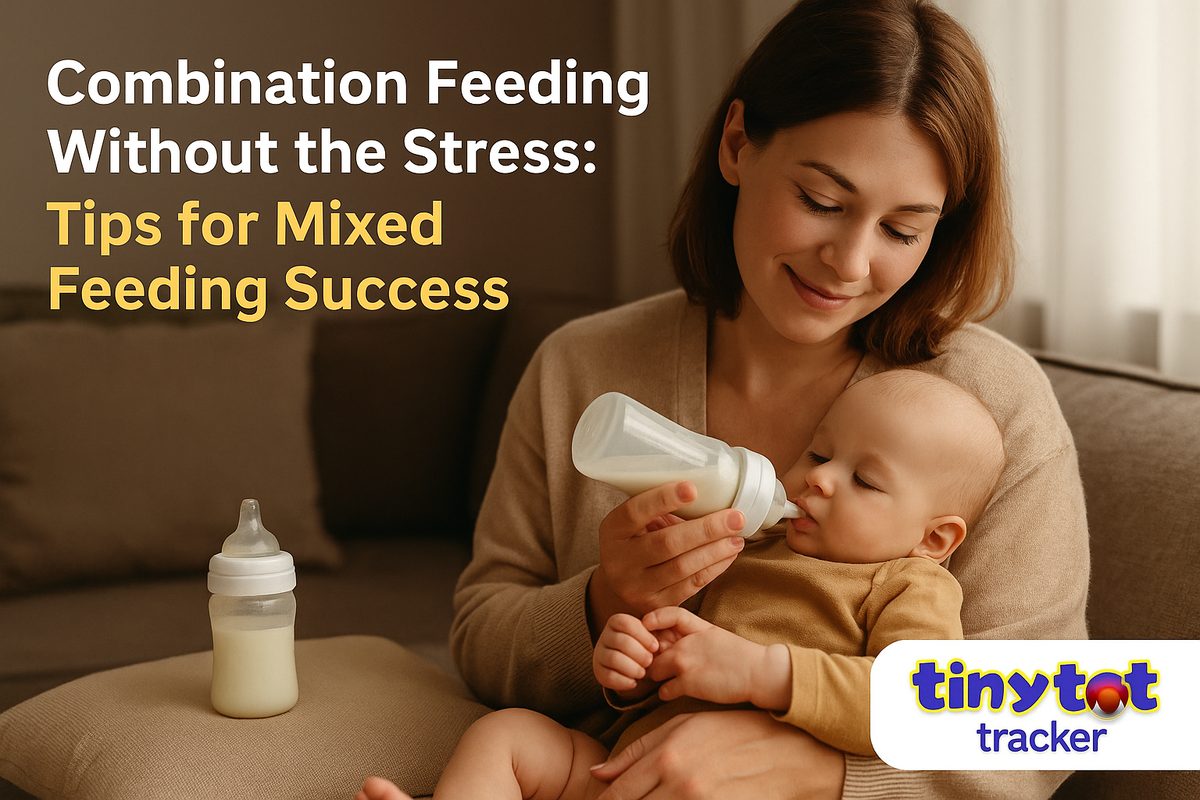
Combination feeding, where you mix breast milk and formula, is also a smart and flexible choice. It helps maintain some supply while ensuring your baby stays full and satisfied. And guess what? You’re still bonding. You’re still nourishing. You’re still doing great.
These are not fallback plans—they are feeding solutions. And they work because they support both baby and mum, which is exactly the goal.
Formula as a Safe, Loving Option
Let’s talk about formula—the word that still makes some mums whisper or feel like they have to explain themselves. Formula is not failure. It is food. It is nourishment. It is freedom for many mothers and survival for many babies.
Today’s formulas are nutritionally sound and medically approved. They allow partners to share feeding responsibilities and let mums heal or return to work without guilt.
Using formula doesn’t cancel out the love you pour into every feeding. Whether you’re scooping powder into a bottle or nursing at your breast, the love, care, and intention are the same. Fed is best—not just because it fills your baby’s tummy, but because it affirms your right to make decisions that honour your needs too.
When It’s Time to Make a Change
Listening to Your Instincts
There’s no checklist for the “right” time to stop breastfeeding—or to change how you’re doing it. There’s only your gut, your mental state, and your baby’s needs. And you don’t need anyone’s permission to act on those.
If breastfeeding is affecting your sleep, your mental health, or your ability to enjoy your baby, it may be time to reassess. If your body is exhausted and your mind is burned out, that matters. If you’ve tried everything and it’s still not working, that matters too.
So many mums say they “wish they’d stopped sooner,” not because they didn’t care—but because they waited too long out of guilt or pressure. Your instincts are powerful. If something doesn’t feel sustainable, listen. Your wellbeing is a valid reason to shift directions.
Weaning with Confidence and Love
Weaning doesn’t have to be abrupt or traumatic. It can be a gradual, gentle transition filled with connection. Start by dropping one feeding at a time. Replace nursing sessions with cuddles, songs, or bottle feedings. Make it an emotional transition, not just a physical one.
Your baby might resist at first—and that’s okay. Babies are adaptable. What they need most isn’t a specific feeding method—it’s you. Your presence, your affection, your responsiveness.
Whether you’re weaning at three weeks or three years, do it with love. Celebrate the journey you’ve had, not what you didn’t do. You’ve done enough. You are enough.
Shifting the Narrative Around Breastfeeding
What Society Gets Wrong
Society has glamorised breastfeeding without addressing the full reality. We hear about “liquid gold” and “breast is best,” but not enough about nipple pain, supply dips, or postpartum depression.
The pressure to breastfeed exclusively can become overwhelming and unrealistic, especially in communities where support, education, and resources are lacking. Worse, it can become a point of shame—another weapon in the mummy wars.
What society gets wrong is assuming that breastfeeding is a moral achievement, a sign of how much you love your baby. But love isn’t measured in ounces of milk. It’s measured in sleepless nights, forehead kisses, and the strength it takes to do what’s best for your family.
How We Can Better Support Mums
We need to shift from judgment to compassion. From pressure to empowerment. That means:
- Normalising lactation support and making it accessible.
- Creating safe spaces for mums to share their struggles.
- Encouraging partners and families to be active participants in feeding.
- Respecting every mother’s feeding choice without shame.
Support isn’t about pushing one ideal. It’s about meeting mums where they are and offering them tools, understanding, and freedom. That’s how we build stronger families—not through guilt, but through grace.
Creating Space for Your Own Truth
Redefining What “Success” Looks Like
It’s time to throw out the rigid definitions of success. Success isn’t exclusive breastfeeding for twelve months. It’s not building a freezer full of milk. It’s not doing it all without tears or help.
Success is doing what’s right for you and your baby. That might be nursing through pain for a while—or choosing formula from the start. It might be pumping at work or weaning early to prioritise your mental health.
There’s power in rewriting your own rules. The more you let go of external expectations, the more peace you’ll find in your journey.
Celebrating Small Wins
In a culture obsessed with doing the most, small wins often go unnoticed. But in motherhood, they matter more than you know.
- Your baby latches for the first time without pain.
- You pump one more ounce than yesterday.
- You recognise that you need help and ask for it.
- You switch to a feeding method that brings you peace.
These moments are proof of your resilience. They are victories. And they deserve to be honoured.
Practical Tips to Ease the Transition
Building a Feeding Plan That Works for You
A feeding plan isn’t a rigid rulebook—it’s a flexible guide that evolves with your needs. Start by asking yourself:
- What’s sustainable for me?
- What does my baby respond to?
- What support do I need?
From there, you can decide:
- Whether to breastfeed, pump, formula feed, or mix.
- When and how to feed (on demand or with a schedule).
- What tools or professionals can help.
Remember: your plan is allowed to change. Babies grow, situations shift, and flexibility is key to survival and joy.
Resources to Turn to When You Need Support
Never underestimate the power of community and expert guidance. Here are some helpful places to start:
- IBCLCs (International Board Certified Lactation Consultants)
- WIC Breastfeeding Counselors
- Postpartum doulas
- Online groups like La Leche League, Facebook mum communities
- Therapists specialising in maternal mental health
- Paediatricians with lactation knowledge
Support is not a luxury. It’s a necessity. And reaching out doesn’t mean you’re weak—it means you’re wise.
Conclusion: You’re Strong, You’re Enough, and You’re Not Failing
Breastfeeding isn’t always natural. It’s often complicated, emotional, and unpredictable. But none of that reflects your worth as a mother.
You are not failing if you’re struggling. You are not less if you choose a different path. And you are absolutely not alone.
Whether you breastfeed for years or never do at all, your baby knows your love. And that, more than anything, is what makes you an amazing mum.
FAQs
How long should I wait before seeking help with breastfeeding?
If breastfeeding feels painful, ineffective, or emotionally distressing within the first few days, seek help immediately. Early support can prevent long-term issues and make the journey smoother.
Is it okay to use formula if breastfeeding feels impossible?
Yes, absolutely. Formula is a safe, healthy option that can provide peace of mind and rest when needed. Using it doesn’t mean you’ve failed—it means you’re meeting your baby’s needs in the best way for your situation.
How can I deal with judgment from others?
Remind yourself that you’re doing what’s best for your family. No one else knows your struggles, your baby’s temperament, or your mental health needs. You owe no one an explanation.
Can I restart breastfeeding after stopping?
In some cases, yes—this process is called relactation. It involves stimulating your milk supply through pumping or nursing. It requires patience and support, and success rates vary. Consult a lactation consultant for guidance.
What’s most important in feeding my baby?
That your baby is fed, loved, and cared for—and that you, the parent, are supported and healthy. Feeding is about connection, nourishment, and bonding—not perfection.