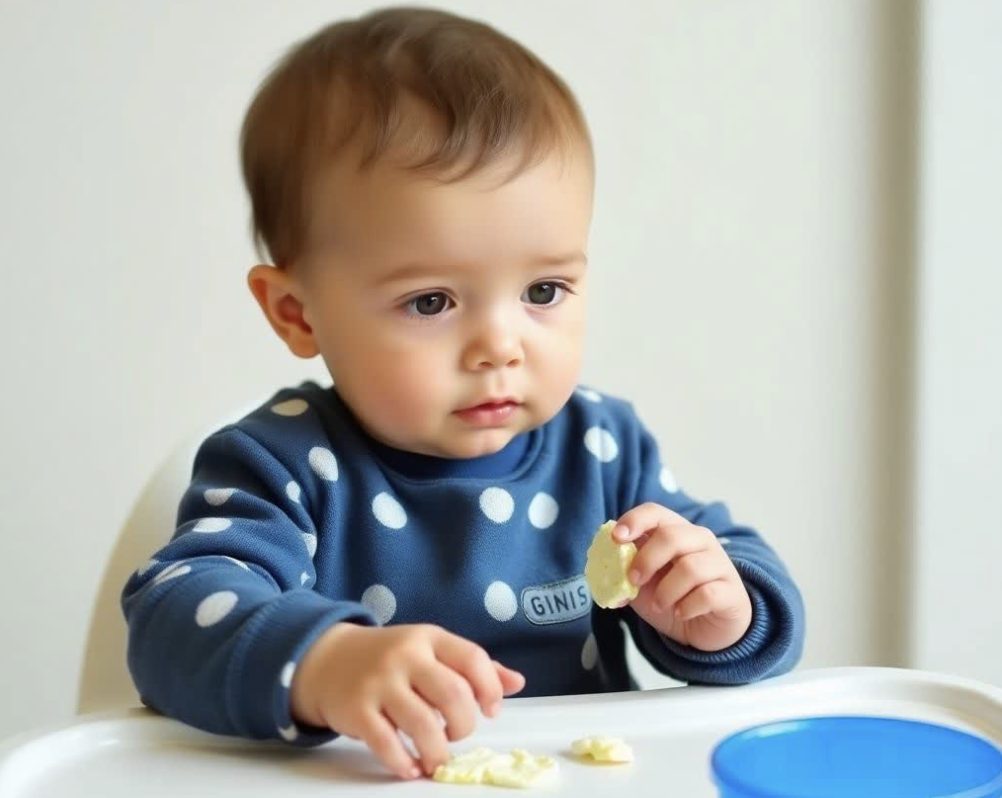
Understanding the Basics of Weaning
What is Weaning and Why Does It Matter?
Weaning is one of those big parenting milestones that sounds scarier than it actually is. At its core, weaning is the gradual transition from a milk-only diet—whether that's breast milk, formula, or both—to solid foods. It's your baby's first real taste (literally!) of the food-filled world ahead.
But it's not just about filling little tummies. Weaning helps babies:
- Learn how to chew and swallow
- Develop fine motor skills
- Explore new textures, flavors, and colours
- Build a foundation for healthy eating habits
The process also allows parents to engage more with their babies during mealtimes, building a strong connection through shared routines and experiences. When done right, weaning can be simple, joyful, and confidence-boosting—for both you and your baby.
It matters because early exposure to diverse foods influences taste preferences. Introducing the right foods at the right time ensures that your baby gets the nutrients they need—especially iron, zinc, and healthy fats—for brain development and growth.
And guess what? You don't have to be a gourmet chef or nutritionist to do it right. With a little prep and some patience, weaning can be simple, joyful, and confidence-boosting—for both you and your baby.
When is the Right Time to Start?
Timing is everything when it comes to starting solids. Most experts, including the World Health Organisation and paediatric associations, recommend introducing solids around 6 months of age. But age alone isn't the only marker.
Look for these key signs of readiness:
- Your baby can sit up with minimal support.
- They have good head and neck control.
- They show interest in food—like reaching for your plate or watching you eat.
- They've lost the tongue-thrust reflex (so they don't just push food right back out).
Starting too early can be risky. A baby's digestive system isn't fully ready for solids before about 6 months. Starting too late may mean missing out on key nutrients like iron or missing the critical "window" for accepting new textures.
So, observe your baby—not just the calendar. Trust your instincts. And when in doubt, talk to your paediatrician. Once those signs are in place, you're good to go!
Getting Prepared: Your Weaning Toolkit
Essential Tools You'll Need
Let's face it—parenting already comes with a ton of gear. But the good news is that you don't need to go overboard when starting solids. A few basic tools will make the process easier (and cleaner), but it's more about consistency than gadgets.
Here's what you'll want in your weaning toolkit:
- A highchair with a footrest for good posture
- Baby spoons with soft tips
- Small bowls or suction plates
- Bibs (preferably waterproof or silicone for easy clean-up)
- Soft sippy cups or open training cups
- Steamer basket or baby food maker (optional but handy)
- Storage containers for prepping ahead
Investing in durable, BPA-free gear is worth it since you'll be using it multiple times a day. And if you're into baby-led weaning, you might skip the purees altogether and just need soft finger foods and a sturdy highchair.
Pro tip: keep a splat mat or old towel under the highchair for quick clean-up. Weaning gets messy—embrace it!
Setting Up the Feeding Environment
Creating a calm, consistent feeding environment is half the battle. Babies thrive on routine and sensory cues. When they're seated comfortably, without distractions, they're more likely to focus on the task at hand: exploring food.
Here's how to set the stage:
- Feed at regular times, ideally when your baby is alert—not too tired or hungry
- Keep mealtime screen-free and toy-free so baby can focus
- Sit together—babies learn by watching you eat
- Talk them through what's happening ("Let's try this soft carrot!") to build language skills too
Mealtime should feel like a safe, positive experience. No pressure. No expectations. Just discovery.
Step-by-Step Guide to Introducing Solids
Week 1-2: Single-Ingredient Purees
Start simple. Your baby's first foods should be smooth, easy-to-swallow purees made from single ingredients. This helps you watch for any reactions and gently introduces the concept of eating.
Great first options include:
- Mashed banana
- Steamed and blended carrots
- Avocado (mashed with a bit of breast milk)
- Cooked and pureed sweet potato
- Iron-fortified baby cereal mixed with formula or breast milk
Offer just 1–2 teaspoons once a day to begin with. If your baby makes a face or spits it out—don't worry. It's all new! Keep offering the same food for 2-3 days before introducing another.
At this stage, solids are not replacing milk feeds. They're just a little bonus taste of what's to come.
Week 3-4: Mixing Flavors and Textures
Once your baby is used to single-ingredient foods, you can begin mixing flavors and slightly increasing the texture. Try combinations like:
- Apple + carrot
- Avocado + banana
- Lentils + spinach
- Oatmeal + pear
Start serving solids twice a day if your baby seems interested. You can also begin using a fork to mash instead of blending completely—this builds chewing skills.
Remember to continue offering breast milk or formula before or after solids. That's still their main source of nutrition.
By Month 7-9: Transition to More Textured Foods
By now, your baby should be getting more confident with chewing and swallowing. This is the ideal time to introduce more textures and soft finger foods.
Add in:
- Soft-cooked veggies in small sticks (like zucchini or broccoli)
- Scrambled eggs
- Toast fingers with hummus
- Soft fruits like ripe pear or mango
- Cooked pasta or rice
Your baby can now eat 2–3 meals a day alongside milk feeds. Continue to offer a variety of flavors and repeat foods even if they were previously rejected—taste preferences take time to develop!
Baby-Led Weaning vs. Traditional Weaning
Pros and Cons of Each Method
When it comes to weaning, there's no one-size-fits-all approach. Two of the most talked-about methods are traditional weaning (think: spoon-fed purees) and baby-led weaning (where your baby feeds themselves finger foods from the start). Each method has its own strengths—and knowing them can help you choose what fits your family best.
Traditional Weaning (Spoon-Fed Purees):
Pros:
- Easier to track food intake.
- Can offer specific nutrient-rich combinations (like iron-fortified cereals).
- Great for babies who need a little more help with textures or who were born prematurely.
Cons:
- May delay the development of chewing and self-feeding skills.
- Risk of parent-controlled feeding instead of baby-led eating cues.
- Less exposure to natural food textures early on.
Baby-Led Weaning (BLW):
Pros:
- Encourages self-feeding and independence.
- Babies learn to manage different textures and develop motor skills.
- Promotes responsive feeding and appetite regulation.
Cons:
- Messier (like, way messier!).
- Harder to track exactly how much baby eats.
- Can be nerve-wracking for parents worried about choking (though gagging is normal).
The good news? You don't have to choose just one.
Can You Combine the Two?
Absolutely. In fact, many parents find success using a hybrid approach. You might start the day with spoon-fed porridge and offer soft finger foods at lunch. Or use a spoon to offer yogurt while baby explores some avocado chunks on their tray.
This combo method:
- Provides structure while promoting self-feeding
- Helps ease parents' fears while supporting development
- Exposes baby to more flavors and textures
The key is balance and being open to your baby's cues. If they grab the spoon, let them try. If they're loving feeding themselves, go with it. Your job is to offer the food and the opportunity—they'll take it from there.
Choosing the Right First Foods
Nutrient-Dense Choices for Early Weaning
Choosing what to serve in the early days of weaning can be overwhelming. You want foods that are easy to digest, gentle on little tummies, and packed with nutrition—especially iron, zinc, healthy fats, and fibre.
Here's a list of go-to, nutrient-rich first foods:
- Avocados – rich in healthy fats and texture-perfect for mashing
- Sweet potatoes – full of vitamin A and fibre
- Bananas – soft, sweet, and full of potassium
- Iron-fortified baby cereal – especially helpful for breastfed babies
- Lentils and beans – protein, iron, and fibre (pureed or mashed well)
- Egg yolks – a great source of fat and choline
- Steamed veggies – like carrots, peas, or parsnips
- Soft meats – like pureed chicken or beef (yes, you can start with meat!)
Aim for variety. Exposing babies to different colours, tastes, and smells helps shape their palate and makes future food acceptance easier.
What Foods to Avoid in the First Year
Not every food is safe or suitable during the first 12 months. Avoiding certain items can help prevent choking, allergic reactions, or nutritional imbalances.
Here's what to steer clear of:
- Honey – can cause infant botulism (not safe before 1 year)
- Whole nuts and popcorn – serious choking hazards
- Added salt and sugar – unnecessary and hard on little kidneys
- Unpasteurised dairy or juices – potential bacteria risks
- Raw or undercooked eggs and seafood – always cook thoroughly
- Processed snacks or adult food – too high in sodium or additives
You don't need to get fancy. Keep it simple, clean, and close to nature. Your baby's digestive system is learning, and natural whole foods are the best teachers.
Creating a Positive Mealtime Routine
Establishing a Schedule
A solid routine makes weaning feel less chaotic. While babies don't need strict timetables, consistent mealtimes help them understand when to expect food and regulate their hunger.
Here's a sample early routine (adjust as needed based on your baby's cues):
- Morning milk feed
- Breakfast solids (e.g., mashed banana or oats)
- Midday milk feed
- Lunch solids (e.g., lentil mash, avocado)
- Afternoon milk feed
- Dinner solids (e.g., scrambled egg, soft veggie sticks)
- Bedtime milk feed
Start with one solid meal and slowly work your way up to two, then three. Keep mealtimes short (15–30 minutes is plenty) and consistent. Your baby will start picking up on the rhythm.
Making Mealtimes Enjoyable for You and Baby
Mealtimes shouldn't feel like a chore—or a battlefield. They're a time to connect, play, and learn. You're building more than just meals—you're building memories and habits.
Here's how to keep the vibe positive:
- Eat with your baby – they mimic your actions and expressions
- Stay patient and relaxed – babies read your mood
- Don't force-feed or bribe – respect when baby says "no"
- Encourage exploration – it's okay if they squish, smear, or spit
And remember, mess is part of the magic. Some days your baby might wear more food than they eat—and that's okay. The goal isn't a clean plate—it's curiosity, confidence, and comfort around food.
Managing Allergens and Food Sensitivities
Introducing Common Allergens Safely
One of the biggest changes in weaning guidance over recent years is how we approach allergens. Where parents were once advised to delay foods like eggs, peanuts, or dairy, now research shows that early introduction—between 6 to 12 months—can actually reduce the risk of developing allergies.
Here are the top common allergens to be mindful of:
- Eggs
- Dairy (milk, cheese, yogurt)
- Peanuts and tree nuts (in butter or ground form)
- Fish and shellfish
- Wheat
- Soy
Start with a tiny amount of the allergen, served in a safe, baby-friendly form:
- A smear of peanut butter diluted with water or mixed into yogurt
- Scrambled eggs cut into tiny pieces
- A spoonful of yogurt or soft cheese
Tips for safe allergen introduction:
- Only introduce one new allergen at a time.
- Wait 2-3 days before trying another to watch for reactions.
- Offer when your baby is healthy—not sick, tired, or teething.
- Serve in the morning or early in the day so you have time to observe.
If your baby has a history of eczema, or if there's a strong family history of allergies, consult with your paediatrician before introducing allergens. They may recommend allergy testing or supervised feeding.
Watching for Allergic Reactions
Most reactions to allergens show up quickly—usually within minutes to a couple of hours. Here's what to watch for:
- Rash or hives around the mouth, face, or body
- Swelling of lips, eyes, or tongue
- Vomiting, diarrhea, or stomach pain
- Wheezing, coughing, or difficulty breathing (seek emergency help immediately)
Mild rashes can sometimes occur with acidic foods like tomatoes or citrus—that doesn't always mean a true allergy. When in doubt, document the reaction and speak with your healthcare provider for clarity.
Don't let fear of allergies hold you back. With care and observation, your baby can safely enjoy a wide range of foods.
Common Weaning Challenges and How to Overcome Them
Baby Refuses to Eat
Don't panic—this is one of the most common (and frustrating) parts of weaning. One day your baby is gobbling up mashed carrots, and the next they're tossing the spoon and turning away. It's normal.
Babies refuse food for many reasons:
- Teething discomfort
- Not hungry at that moment
- Disinterest in a specific texture or flavor
- Feeling overwhelmed or overstimulated
How to handle it:
- Keep calm and avoid showing frustration
- Offer the rejected food again another day (repeated exposure is key!)
- Don't force-feed—this can build negative associations with food
- Keep portions small and manageable
- Make mealtime fun: smile, talk, and involve your baby
Sometimes a refusal is just part of the learning process. Remember, this is about exploration, not perfection.
Dealing with Gagging and Choking Anxiety
Let's get real—gagging can be terrifying the first few times it happens. But it's not the same as choking, and in most cases, it's completely normal. Gagging is actually a protective reflex that helps prevent choking and teaches babies how to manage solid food safely.
Signs of gagging:
- Loud coughing or retching
- Red face
- Grimacing or spitting food out
Signs of choking (emergency):
- Silent or very quiet
- Unable to cough or breathe
- Blue lips or skin
What to do:
- Always supervise meals
- Sit your baby upright in a highchair
- Avoid high-risk foods like raw apples, grapes, or nuts
- Learn baby CPR—it'll boost your confidence and preparedness
Offer soft, appropriately-sized pieces and trust your baby's ability to learn. Gagging decreases with practice, and avoiding textures out of fear can actually delay their progress.
Hydration and Fluids During Weaning
When and How to Introduce Water
Once your baby starts solids, it's time to introduce small sips of water with meals. Water helps:
- Rinse down solid foods
- Prevent constipation
- Begin healthy hydration habits
You don't need to give a lot—just a few sips during or after meals is enough. Use a baby-friendly open cup or sippy cup to encourage independent drinking.
What kind of water? Tap water is fine in most areas (boiled and cooled for babies under 6 months if necessary). Avoid giving bottled water with added minerals or fluoride.
Avoid fruit juices, even diluted—they're high in sugar and not necessary for a baby's diet.
Milk Feeds and Their Role After Solids Start
Many parents worry that starting solids means cutting back on breast milk or formula. But for the first year, milk is still the main source of nutrition.
Here's a general idea of how it evolves:
- 6–8 months: 3–5 milk feeds a day, plus 1–2 solid meals
- 9–12 months: 3–4 milk feeds a day, plus 3 meals and snacks
After 12 months, cow's milk can be introduced, and formula can be gradually phased out if your child is eating a balanced diet.
Think of solids as complementary in the first year. Let your baby guide you—some days they'll want more solids, other days more milk. It's all part of the balance.
Tracking Your Baby's Nutritional Needs
How Much Should Your Baby Eat?
This question haunts almost every new parent during weaning: Am I feeding my baby enough?
The truth is, babies have tiny tummies—and enormous intuition. They generally know when they're hungry and when they're full. So instead of focusing on exact quantities, look at overall trends:
- Is your baby alert and active?
- Are they gaining weight steadily?
- Are they having regular wet and dirty nappies?
Here's a rough feeding estimate:
- At 6–7 months: 2–3 tablespoons per meal
- By 8–9 months: ¼ to ½ cup per meal
- By 10–12 months: closer to small toddler portions (½–1 cup)
Don't worry if some days they eat less—it's normal. Offer balanced meals with iron-rich foods and let your baby decide how much to eat.
Understanding Iron and Other Key Nutrients
Iron is the superstar of the weaning world. Babies are born with iron stores that start to drop around 6 months, making dietary iron essential.
Best sources of iron:
- Red meat (finely minced or pureed)
- Lentils and beans
- Eggs
- Dark leafy greens (cooked and blended)
- Iron-fortified cereals
Combine iron-rich foods with vitamin C (like strawberries, broccoli, or oranges) to enhance absorption.
Other important nutrients include:
- Zinc: Found in meats, whole grains, and dairy
- Calcium: Through breast milk, formula, or dairy (after 6 months)
- Healthy fats: From avocados, oily fish, and full-fat dairy
- Fibre: From fruits, veggies, and grains to support digestion
The best way to meet your baby's nutritional needs? A colourful, varied plate—offered with love.
Encouraging Self-Feeding and Independence
Tips for Developing Motor Skills
Self-feeding is a huge step toward independence—and it starts earlier than many parents think. Around 6 to 9 months, most babies begin showing interest in grabbing food and feeding themselves. This isn't just about eating—it's about building fine motor skills and hand-eye coordination.
Here's how to support those early self-feeding attempts:
- Offer soft finger foods: Steamed veggie sticks, toast fingers, banana slices, or scrambled eggs
- Use easy-grip utensils: Chunky, rubber-handled spoons and forks are ideal for tiny hands
- Serve food in a suction bowl or sectioned plate: Helps reduce spills and keeps food in place
- Let baby explore: Even if it means more food on the floor than in their mouth (which it will)
Don't expect neatness or big bites right away. In fact, babies learn by touching, smashing, and even flinging food. It's all part of the learning curve.
Encouraging self-feeding also helps your baby regulate their appetite, respond to hunger and fullness cues, and gain confidence in their ability to feed themselves—all skills that serve them well for life.
Embracing the Mess and Letting Baby Explore
If you're a neat freak, brace yourself—self-feeding is a messy business. But here's the good news: that mess means your baby is learning.
Babies engage all their senses while eating. Smelling, feeling, tasting, and even hearing (yes, squishing peas makes noise!) are ways they discover the world. Suppressing that exploration can delay development.
Here are a few tips to survive the mess:
- Dress baby in a feeding smock or just a nappy
- Lay down a washable mat or old towel under the highchair
- Use silicone bibs with food-catching pockets
- Keep wipes, cloths, or a bowl of warm water nearby
Most importantly, don't stress. The mess doesn't last forever. As your baby gains control and confidence, mealtimes will become cleaner (and quicker).
Praise their efforts. Clap for small wins. Even if your baby only gets a pea in their mouth after 20 minutes, it's a win worth celebrating.
Foods to Watch Out For: Choking Hazards & No-Nos
High-Risk Foods to Avoid
One of the biggest fears parents face during weaning is choking—and rightly so. While babies are surprisingly capable, there are some foods that should be completely avoided or modified to reduce risk.
Common choking hazards include:
- Whole grapes (cut lengthwise or mash)
- Raw carrots and apples (steam or grate instead)
- Cherry tomatoes (cut into quarters)
- Hot dogs or sausages (slice lengthwise and then across)
- Whole nuts and popcorn
- Large spoonfuls of peanut butter (use thinned versions)
- Hard candies or chewing gum
The rule of thumb: if you can't squish it easily between your fingers, it's not soft enough for a baby.
Always supervise your baby during meals. Make sure they're sitting upright and avoid giving food while in a car seat, pram, or lying down.
Safe Food Preparation Tips
Preparation matters just as much as food choice. With the right techniques, many foods that are typically risky can be made safe and baby-friendly.
Smart prep tips:
- Steam, boil, or roast veggies until soft enough to mash
- Cut food into age-appropriate sizes: thin strips or pea-sized pieces depending on stage
- Use age-appropriate textures: start with purees or mashed foods, then move to soft lumps and finger foods
- Mash or flake meats: slow-cooked chicken or fish can be easily shredded
- Blend tougher fruits or serve very ripe versions: like ripe mango or cooked pear
Avoid adding salt, sugar, or strong seasonings. Babies need to develop a natural appreciation for the food's original flavor. Herbs and mild spices like cinnamon, basil, or turmeric are safe in small amounts.
When in doubt, test it yourself—if you can easily mash it with your tongue or gums, your baby likely can too.
Recipes and Meal Ideas for Every Stage
First Purees and Mashes
In the early stages, you'll want to keep things simple. Here are a few nutrient-packed purees to get started with:
1. Sweet Potato Puree
- Steam sweet potato chunks until soft
- Blend with a little breast milk or water
2. Banana Avocado Mash
- Mash ½ ripe banana with ¼ avocado until smooth
- No need to cook—just mix and serve
3. Carrot and Apple Puree
- Steam carrots and apple pieces until soft
- Blend together with a splash of water
4. Lentil and Spinach Mash
- Cook red lentils with finely chopped spinach
- Blend or mash for a protein-rich meal
5. Rice and Chicken Puree
- Slow-cook rice and boneless chicken breast
- Blend together with a little cooking liquid
These recipes are easy to batch cook and freeze in small portions, making weekday feeding stress-free.
Finger Foods and Mini Meals
As your baby gets comfortable with textures, you can introduce finger foods and small meals. Try offering:
- Steamed broccoli or cauliflower florets
- Toast fingers with smashed avocado or hummus
- Slices of ripe pear or mango
- Mini omelets cut into strips
- Meatballs made with ground chicken and oats
- Mashed beans with soft cheese
Keep meals varied and colourful. Variety not only keeps things interesting, but also increases the chances that your baby gets all the nutrients they need.
Celebrating Milestones and Progress
Recognising Signs of Growth and Readiness
As you move through the weaning journey, you'll begin to see your baby grow—not just physically, but emotionally and developmentally. Here are some signs that your little one is thriving with solids:
- Reaching for the spoon or plate
- Trying new textures and flavors without hesitation
- Chewing and swallowing with more ease
- Developing pincer grip to pick up small bits
- Drinking water from a cup with minimal spills
- Eating three meals a day with enjoyment
Take a moment to recognise these achievements. Each bite, each spill, each sticky smile is a sign your baby is building the foundation for a lifelong relationship with food.
When to Move to the Next Weaning Stage
There's no hard timeline, but here's a general guide:
- 6–7 months: Purees and soft mashed foods
- 8–9 months: Thicker textures, finger foods, soft lumps
- 10–12 months: Mini meals, a mix of textures, self-feeding
- 12+ months: Family foods, weaning off formula or breast milk gradually
Transition gradually and based on your baby's comfort. Watch, learn, and respond. That's the magic formula.
Final Thoughts on Confident Weaning
Trusting Your Instincts and Staying Flexible
If there's one message to take from this journey, it's this: you are your baby's best guide. Weaning is not about perfection. It's about exploration, connection, and learning together.
There will be messes. There will be rejected meals. There may even be tears—yours or theirs. But it's all part of the process.
Listen to your baby. Watch their cues. Be flexible when something doesn't work. Celebrate progress, no matter how small. And always remember, every baby goes at their own pace.
Making Weaning a Joyful Journey
Let weaning be a time of curiosity and bonding. Sing silly songs at the table. Let your baby paint their face with peas. Laugh at the chaos. These are moments you'll look back on with pride and nostalgia.
With the right mindset and a little patience, weaning doesn't have to be stressful. In fact, it can be one of the most rewarding experiences of early parenting.
You've got this.
FAQs
1. How many times a day should I offer solids to my baby?
Start with once a day around 6 months. Gradually move to 2–3 meals per day by 9 months, based on your baby's appetite and cues.
2. Can I give my baby spices or herbs?
Yes! Mild herbs and spices like cinnamon, cumin, and basil are safe after 6 months. Avoid salt, sugar, and anything too spicy.
3. Is baby-led weaning safe?
When done correctly, yes. Always supervise meals and serve age-appropriate, soft foods. Learn the difference between gagging and choking.
4. How long does weaning take?
It's a gradual process. Most babies are eating three solid meals by around 10–12 months, but milk remains a key nutrient source through the first year.
5. What if my baby doesn't like a food?
That's totally normal! It can take 10–15 tries before a baby accepts a new food. Keep offering without pressure.