Introduction to Baby Tracking
What Does Baby Tracking Involve?
Baby tracking is exactly what it sounds like—keeping tabs on your baby's daily routines. This includes when and how much they feed, how often their nappies are changed, and how long (and how well) they sleep. Sounds simple, right? But behind these basic actions lies a powerful tool for monitoring your baby's health and development.
Imagine having a personal logbook that shows trends, patterns, and anomalies in your baby's habits. It allows parents to move from reactive to proactive care. If your baby suddenly sleeps less, eats more, or produces fewer wet nappies, you're not left guessing—you've got the data to spot changes early.
You don't need to be a tech wizard or a spreadsheet genius. Most parents start with pen and paper or a simple app. The beauty is in the consistency. With just a few taps or notes each day, you'll have a goldmine of information to help you understand your baby better and respond faster to their needs.
Why Parents Are Turning to Tracking Methods
Parenting can feel like you're being tossed into a storm without a compass. Tracking is that compass. In a world of unpredictable baby cries and sleepless nights, having solid data offers something tangible—something to lean on.
More and more parents are adopting tracking methods not just for peace of mind but for sanity. When you haven't slept in days, it's hard to remember whether the baby fed three hours ago or six. Tracking offers clarity. It helps settle debates between partners ("I swear I changed the last nappy!") and gives everyone involved a unified system of reference.
Also, let's not forget the doctor visits. Being able to pull up a week's worth of feeds and nappies makes conversations with paediatricians far more efficient. Instead of vague answers, you can share exact data, making it easier for healthcare providers to identify potential issues early on.
The Science Behind Tracking Baby Habits
How Routine Affects Infant Development
Routine isn't just for adult productivity—it's crucial for infant development. Babies thrive on predictability. Their little bodies are learning to regulate themselves, and routine plays a key role in teaching them how to do that.
Studies have shown that infants who follow consistent feeding and sleeping schedules tend to have better mood regulation, improved digestion, and more restful sleep. Routine creates structure in a world that's completely new and chaotic for them. It's like giving them a roadmap for the day.
Tracking enables you to establish that routine with confidence. Instead of guessing when your baby is due for their next feed or nap, you already know. Over time, your baby starts to pick up on these cues too, resulting in less fussiness and more calm.
And let's not overlook the developmental milestones. Babies grow rapidly, and changes in feeding or sleeping can signal growth spurts, teething, or developmental leaps. Having a tracking history helps you notice these patterns and prepare accordingly.
The Role of Consistency in Growth and Well-being
Consistency doesn't mean a rigid schedule. It means predictable rhythms. And when you're tracking, it becomes much easier to create those rhythms. If your baby eats every 3 hours and naps for 2 hours afterward, you can plan your day—and theirs—accordingly.
This kind of consistency helps with brain development, emotional regulation, and physical growth. It also creates a sense of security. Babies can't tell time, but their bodies understand regular intervals. When they know what to expect, they feel safer and more relaxed, which leads to better sleep and more effective feeding.
Tracking supports this consistency. It helps parents stick to a loose schedule, adapt when necessary, and maintain a stable environment. Whether you're using a notebook or an app, you're reinforcing positive habits that will benefit both you and your baby in the long run.
Tracking Feeds: Nourishing with Knowledge
Monitoring Quantity and Frequency of Feeds
Feeding a baby isn't just about filling their tummy—it's about ensuring proper nutrition, growth, and hydration. Whether you're breastfeeding, bottle-feeding, or a mix of both, tracking how much and how often your baby eats can be incredibly informative.
Tracking feeds lets you answer questions like:
- Is my baby getting enough milk?
- Are they feeding too frequently or not often enough?
- Are there patterns that signal growth spurts?
Newborns often eat every 2–3 hours, but as they grow, this frequency changes. Without tracking, it's easy to miss these transitions. With a tracker, you see patterns develop. You'll know when your baby naturally starts stretching out the time between feeds or suddenly demands more milk due to a growth spurt.
Another benefit? It can help you maintain a balance between feedings on both breasts or remember which side you last used—a lifesaver during sleep-deprived nights.
Breastfeeding vs Bottle Feeding: What to Track
If you're breastfeeding, tracking can help you monitor how long your baby nurses on each side. This is useful for ensuring they're getting both the foremilk (which quenches thirst) and the hindmilk (which is richer in nutrients and calories).
Bottle-feeding? Then it becomes easier to measure how many ounces your baby is consuming per session. This is particularly helpful when different caregivers are involved—you can all be on the same page, ensuring consistency in feeding.
Mixed feeding? Tracking becomes even more crucial. It helps you monitor how your baby is responding to different feeding methods, and whether one is preferred or better tolerated than the other.
Spotting Feeding Issues Early
Tracking feeds also helps you identify potential problems before they escalate. If your baby is suddenly feeding less, spitting up more, or showing signs of discomfort, your logs can provide critical clues.
Let's say you notice shorter feeds, followed by more crying—this could be a sign of reflux or a latch issue. Or maybe your baby is feeding more often but gaining less weight—perhaps they're not transferring enough milk. With clear records, you and your paediatrician can work together to diagnose and resolve the issue quickly.
Tracking Nappies: Dirty Nappies and Hidden Health Clues
Frequency of Wet and Dirty Nappies
Nappies might seem like the messier side of parenting, but they're also one of the most insightful. Tracking nappy changes helps you monitor hydration, digestion, and overall well-being.
Newborns typically have at least 6 wet nappies and 3–4 dirty ones per day. Deviating from this pattern—either fewer changes or sudden increases—can be a red flag. Fewer wet nappies could indicate dehydration, while a spike in dirty ones might signal a tummy bug.
When you're tracking, these shifts don't go unnoticed. You have a baseline to compare against, helping you act quickly when something seems off. Especially in the early weeks, consistent wet and dirty nappies are your best indicators that feeding is effective.
What the Colour and Consistency Say About Health
Yes, we're talking about poop—but it's important! The colour, texture, and smell of your baby's stool can say a lot about their health. From mustard yellow and seedy (normal for breastfed babies) to green and frothy (potential lactose imbalance), there's a rainbow of possibilities.
Tracking helps you spot abnormal patterns. A one-time green poop? Probably nothing. But consistent greenish stools? That could indicate your baby isn't getting enough hindmilk. Likewise, if you see blood or mucus in the stool, that's a red flag to contact your paediatrician.
By writing down or logging the appearance of your baby's stools, you're building a story—one that helps you and your doctor understand what's happening inside your baby's gut.
Identifying Allergies or Digestive Concerns
Food sensitivities and allergies often first show up through the digestive system. If your baby is reacting poorly to something in your breast milk or formula, signs may include:
- Diarrhea
- Constipation
- Blood in the stool
- Unusual rashes
These aren't things you want to overlook. Consistent tracking allows you to connect the dots between what your baby consumes and how their body responds. It makes elimination diets or formula changes easier to test and evaluate.
Tracking Sleep: Building Healthy Sleep Habits
The Importance of Sleep for Babies
Sleep isn't just downtime for babies—it's when their brains process information, their bodies grow, and their immune systems strengthen. It's as essential as feeding. A newborn may sleep up to 16–18 hours a day, but the sleep is broken into multiple short cycles, which can make parenting feel like a round-the-clock job.
Tracking your baby's sleep helps demystify this chaotic sleep behaviour. You'll be able to observe when they sleep longest, whether naps are consistent, and if they're getting the recommended amount of total sleep. If a baby is consistently cranky or hard to settle, lack of sleep may be the cause—and your tracker will make that abundantly clear.
Moreover, sleep quality can indicate underlying issues. Short naps or frequent night wakings could be signs of overtiredness, overstimulation, or even reflux. By tracking how long and how often your baby sleeps, you're better equipped to troubleshoot and improve their rest.
Establishing Sleep Patterns and Schedules
One of the biggest benefits of sleep tracking is recognising natural rhythms. Babies, especially in the first few months, don't follow a set schedule. However, tracking allows you to uncover emerging sleep-wake patterns. You might notice your baby sleeps better in the early afternoon or that a bath before bed leads to longer night sleep.
When you see these trends, you can start building a flexible but effective routine. For instance, if your baby begins getting sleepy around the same time every night, you can structure a bedtime routine to help signal sleep is coming. Over time, this consistency creates healthy sleep associations, which reduces night waking and fussiness.
Using a sleep tracker also helps with managing transitions. As babies grow, their sleep needs change—they may drop a nap or start sleeping longer stretches. If you're tracking, you can adjust the schedule without the stress of guessing, minimising disruptions.
Sleep Regression and What to Expect
Every parent dreads sleep regressions—those periods when a baby who was sleeping well suddenly wakes up multiple times a night. These usually coincide with developmental milestones and growth spurts, such as learning to roll over, teething, or increased social awareness.
With a sleep tracker, these regressions are less scary. You'll know your baby's typical sleep patterns and can identify when things are truly out of the ordinary. This prevents unnecessary panic and helps you stay calm, knowing this is likely just a phase.
Also, tracking provides insights into how long regressions typically last. This allows you to manage your expectations and make any temporary adjustments needed, like earlier bedtimes or more soothing routines.
Mental Health Benefits for Parents
Reducing Anxiety and Mental Overload
One of the most overlooked aspects of baby tracking is how it benefits you, the parent. In the fog of newborn life, remembering when your baby last ate, slept, or had a dirty nappy can feel impossible. This mental overload leads to stress, anxiety, and burnout.
Tracking offloads this cognitive burden. Rather than trying to hold a mountain of information in your head, you jot it down or tap it into an app. Suddenly, you have more mental space to focus on bonding with your baby and taking care of yourself.
More importantly, seeing patterns develop offers reassurance. You're not flying blind—you've got the data to confirm that things are on track. For parents struggling with postpartum anxiety or depression, this kind of structure can be incredibly grounding.
Recognising Burnout and Gaining Control
Burnout creeps up when you feel overwhelmed and out of control. Tracking puts the power back in your hands. It allows you to see what's working, what's not, and where you might need support.
Let's say you're noticing that your baby only naps for 20 minutes at a time and wakes up cranky. By seeing this trend documented, you might realise they're not getting enough daytime sleep, and you can start tweaking your schedule. This proactive problem-solving helps you regain a sense of control, which is key to emotional well-being.
Tracking also gives both parents (and even caregivers) equal visibility. It eliminates the guesswork and division of labour drama. Everyone knows what the baby needs and when, which reduces tension and supports teamwork.
When to Share Tracking Data with Your Paediatrician
Early Detection of Potential Health Problems
Babies can't tell you what's wrong, so it's up to you—and your tracking system—to be their voice. A drop in feeding frequency, fewer wet nappies, or a disrupted sleep cycle could be signs of illness. If you're tracking regularly, these signs won't go unnoticed.
When you share this data with your paediatrician, it gives them a clearer picture of your baby's day-to-day patterns. It's like handing over a progress report instead of trying to remember details under pressure. This leads to quicker, more accurate diagnoses and better care.
Doctors can't always observe what's happening at home—but with tracking, they can interpret trends over days or weeks. This can be critical in detecting issues like:
- Failure to gain weight
- Feeding inefficiencies
- Chronic dehydration
- Potential allergies
- Sleep disorders
Making the Most of Doctor Visits
Ever been to the paediatrician and completely blanked on the last time your baby pooped or fed? You're not alone. Baby brain is real, and under stress, even the sharpest minds forget the basics.
Tracking takes that pressure off. You walk into appointments confident, armed with exact data. Instead of vague responses like, "I think he sleeps okay," you can say, "He sleeps 2.5 hours during the day, with a 5-hour stretch at night." That kind of precision allows your paediatrician to give more tailored advice.
Additionally, regular sharing of your tracking info helps build trust with your healthcare provider. They see you're committed and informed, and that collaboration leads to better outcomes for your child.
Tools for Effective Baby Tracking
Mobile Apps vs Traditional Journals
There are countless ways to track your baby's routines, and choosing the right method depends on your lifestyle. Some parents prefer the tactile satisfaction of pen and paper, while others love the convenience of digital apps.
Traditional journals offer flexibility—you can doodle, jot notes, and personalise your entries. They're a great offline option and don't require batteries or Wi-Fi. However, they can be less efficient when you're trying to spot patterns or search back weeks of data.
Mobile apps, on the other hand, are fast, intuitive, and often come with features like reminders, trend charts, and data export. Apps also allow for easier sharing with partners or caregivers, ensuring everyone stays in sync.
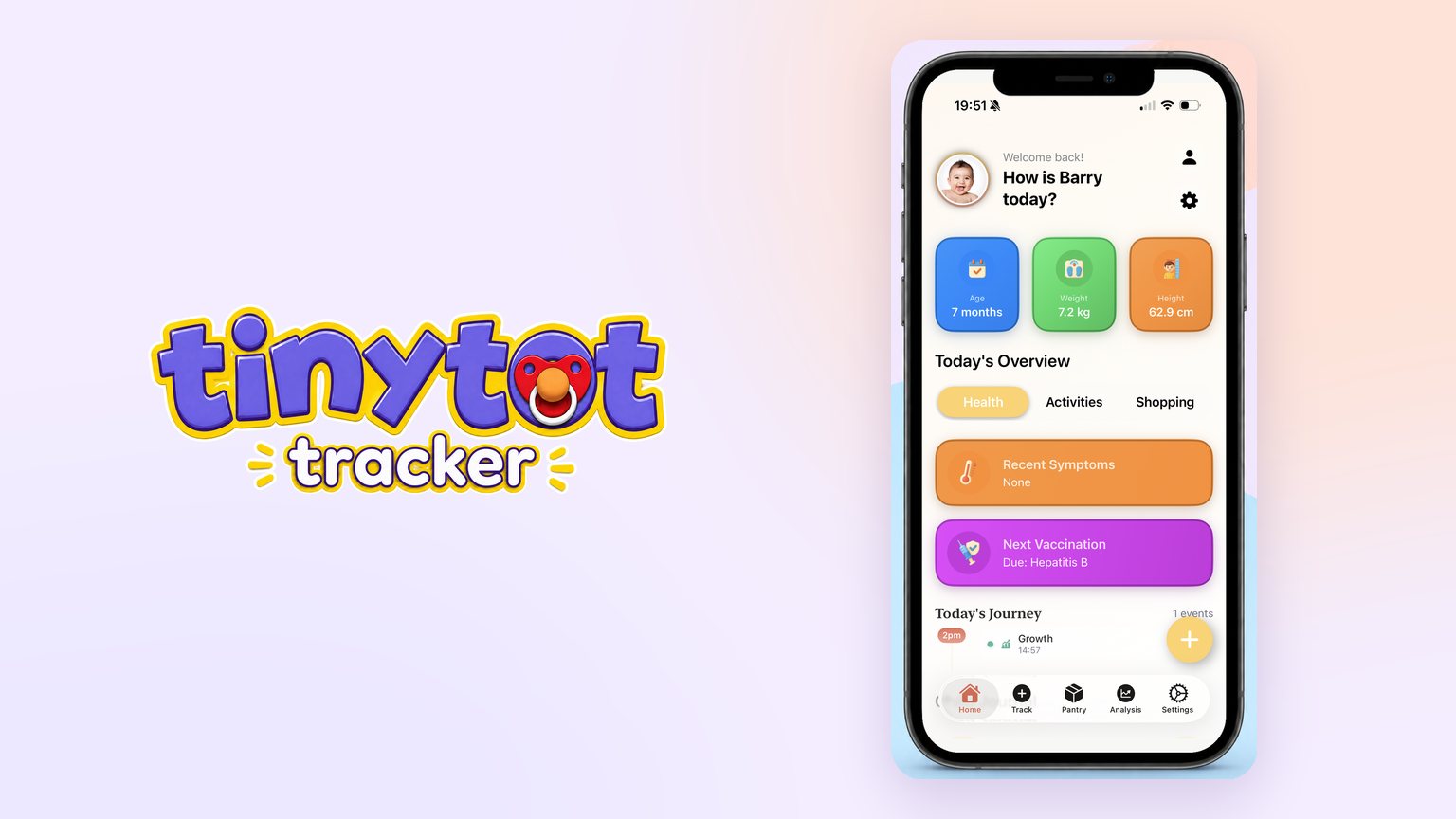
Popular apps like Tiny Tot Tracker, Huckleberry, and Glow Baby let you log feeds, nappies, sleep, growth metrics, and even moods—all in one place.
Best Baby Tracking Apps in 2026
Here are a few standout baby tracking apps parents are loving in 2026:
- Tiny Tot Tracker – Free forever with beautiful, intuitive design
- Huckleberry – Best for sleep tracking and customised sleep plans
- Baby Tracker by Amila – All-in-one tracker with an intuitive interface
- Glow Baby – Ideal for first-time parents, offering feeding tips and milestone tracking
- Feed Baby – Focused on detailed feeding logs and charts
- Talli Baby – Syncs with a physical button for one-tap logging, great for tech-averse parents
Most of these apps are free with optional premium features. Try a few and see what fits your routine best. What matters is consistency—not the method.
How to Get Started with Tracking
What to Track First and Why
If you're just getting into tracking, it's easy to feel overwhelmed. Don't worry—you don't need to track everything at once. Start simple. Begin with feeds and nappies. These are the two most crucial indicators of your baby's health in the early weeks.
Tracking feeds tells you if your baby is eating enough. Whether you're breastfeeding or bottle-feeding, log the time, duration, and amount. Nappy changes, on the other hand, help confirm whether your baby is staying hydrated and digesting properly. You'll want to note how often your baby wets or soils their nappy, and record any unusual colours or smells.
Once you're comfortable with these, you can gradually add sleep tracking. Over time, you'll develop a holistic view of your baby's rhythm. This way, you avoid burnout and still get all the benefits.
Don't aim for perfection—aim for consistency. Even if you miss a few logs here and there, that's okay. The goal isn't to have a spotless data set but to understand your baby's general trends and needs.
Creating a Realistic Tracking Routine
Let's be real—newborn life is chaotic. Between feeds, nappy blowouts, and exhaustion, it's hard to do anything consistently. That's why your tracking routine should be simple, sustainable, and aligned with your lifestyle.
Here's a routine you might try:
- Log feedings immediately after they happen
- Change nappies and note anything unusual (like changes in stool)
- Use sleep tracking during naps and nighttime to find patterns
- Set a daily time (like bedtime) to quickly review the day's data
Choose tools that complement your routine. If you always have your phone nearby, a tracking app is ideal. If not, a magnetic whiteboard on your fridge or a notebook by the cot can do the trick. The best tracking method is the one you'll actually use.
Lastly, make tracking part of your bonding time. Instead of viewing it as another chore, treat it as a way to connect with your baby and understand them better.
Myths About Baby Tracking
"It's Too Time-Consuming"
This is probably the biggest myth—and it's totally false. Tracking doesn't mean writing a novel about every feed or poop. It can be as simple as tapping a button in an app or jotting down quick notes.
In fact, tracking actually saves you time. Imagine not having to guess when your baby last ate or why they're fussing. Instead of playing detective, you already have the facts. You spend less time stressing and more time doing what matters—caring for your baby.
Apps can streamline the process even more. Some even come with timers, reminders, and voice commands. Many parents report that once they start tracking, it becomes second nature—just like brushing your teeth or checking your messages.
"You Only Need It for Newborns"
Another myth is that tracking only matters during the first few weeks. While it's especially important for newborns, the benefits don't end there.
Tracking can help with sleep training, introducing solids, monitoring allergies, and understanding behavioural changes well into the toddler years. For example:
- If your toddler becomes unusually fussy, you can check if they're getting enough sleep
- If they're constipated, your nappy logs might reveal a dietary issue
- If you're starting potty training, tracking bowel movements helps spot readiness
Whether your baby is 2 weeks old or 2 years old, tracking is a tool that adapts with you. It's not a phase—it's a parenting asset.
Baby Tracking and Sleep Training
How Tracking Helps With Sleep Training Methods
If you're considering sleep training, tracking will be your best friend. Sleep training isn't just about letting your baby cry it out (though that's one method)—it's about recognising when your baby is ready for sleep, how long they typically sleep, and how you can guide them toward healthy habits.
With tracking, you'll know:
- When your baby's natural sleep windows occur
- How long they nap and sleep at night
- How often they wake up and why
This data is invaluable. It allows you to choose a sleep training method that suits your baby's rhythm. For instance, if your baby consistently wakes after 45 minutes, you can adjust nap routines to extend sleep cycles. Or, if they're waking out of hunger, you'll see it reflected in your feeding logs.
In short, tracking removes the guesswork and supports a gentler, more informed approach to sleep training.
Tracking vs Sleep Guesswork
Parenting based on "what worked last night" is like flying blind. One day, the baby sleeps six hours; the next, they're up every hour. Without tracking, it's hard to spot what changed.
Was it because they didn't nap enough? Ate too little? Got overstimulated before bed? With tracking, you can connect the dots. You'll stop reacting and start anticipating.
This doesn't mean you become rigid. Instead, you become responsive. When patterns emerge, you adjust accordingly. That's the power of tracking—it turns chaos into clarity.
Tips to Stay Consistent Without Stress
Making Tracking a Natural Part of Your Day
You don't need a PhD in baby science to be a good tracker. You just need a system that fits into your life. Here are a few ways to make it second nature:
- Keep your tracker (app or notebook) easily accessible—bedside, changing table, or on your phone
- Link tracking to habits: after every feed, change, or nap, log the data before doing anything else
- Don't obsess over perfection. Miss a log? Just pick it back up. It's about patterns, not perfection
Also, simplify what you track. If logging sleep start and end times feels too much, just log total nap duration. Customise your system to suit you.
Involving Partners and Caregivers
Tracking doesn't have to be a one-person job. In fact, it shouldn't be. Involve your partner, grandparents, babysitter—anyone who helps care for your baby.
Use shared apps or a common notebook. That way, everyone stays on the same page, and you avoid double feeds or missed naps. It also ensures smoother hand-offs, especially for working parents or during nighttime shifts.
Shared tracking builds team parenting. It shifts the mental load and empowers everyone to participate confidently in caring for the baby.
Real Parent Testimonials
Stories from Families Who Found Peace Through Tracking
Don't just take our word for it—here are a few real-life stories from parents who swear by tracking:
Anna & James (First-time parents):
"We were lost in the first month. We couldn't tell if our baby was feeding enough or why she was crying so much. A friend recommended a baby tracking app. Within two days, we realised she was overtired from short naps. Once we adjusted her routine, the crying stopped. It changed our lives."
Michelle (Mum of two):
"With my second baby, I started tracking right away. I noticed she wasn't producing many wet nappies. It helped us catch a feeding issue early, and we got support from a lactation consultant before things got worse. Tracking literally saved her health."
David (Stay-at-home dad):
"I used to argue with my wife about who did the last feed. Now we just check the app. No more confusion or resentment. We're more in sync as a couple, and our baby's routine is more predictable."
These stories show how tracking can bring calm, confidence, and connection into your parenting journey. It's more than logging data—it's creating harmony in the chaos.
Long-Term Benefits of Early Tracking
From Newborn Stage to Toddler Years
While tracking starts as a tool for survival in the newborn phase, its benefits extend well beyond those early months. Think of it like building a timeline of your child's growth, habits, and health. It becomes a living document that evolves as your child does—from sleepless nights and frequent feeds to introducing solids, toilet training, and transitioning to a big-kid bed.
In the toddler years, tracking helps answer new questions: How much solid food are they eating? Are they showing signs of food sensitivities? How regular are their bowel movements? Are naps consistent, or is it time to drop one? With tracking, you have the answers at your fingertips.
Moreover, early tracking builds a strong foundation for routine. Toddlers respond well to consistency, and the routines you establish in infancy—feeding times, sleep cues, nappy changes—mature into structured habits that foster independence and security.
And when the inevitable parenting doubts arise ("Was this happening last month, too?"), your logs provide clarity and confidence. You're not guessing—you're parenting with purpose.
Creating Lifelong Routines and Habits
Good habits start early, and that includes the ones we model. Tracking teaches both parents and children the value of routine and observation. While your baby won't remember the logbooks or the apps, they will benefit from the predictable patterns you establish.
As they grow, these routines become part of family life. Bedtime becomes a cherished ritual. Mealtimes have structure. Potty training is smoother because you already understand your child's bathroom rhythms.
For you as a parent, tracking cultivates mindfulness. It sharpens your awareness of your child's needs and strengthens your ability to respond calmly and confidently. In a world of parenting hacks and quick fixes, it's this consistency—built over time—that lays the foundation for a thriving, happy child.
Conclusion
Why It's Worth Every Second
Tracking feeds, nappies, and sleep may seem like just another task on the long list of parental duties—but it's so much more than that. It's a lifeline. A roadmap. A mirror reflecting your baby's health, development, and needs.
In the whirlwind of early parenthood, where every day feels unpredictable, tracking offers stability. It empowers you to spot problems early, make informed decisions, and build healthy routines. It reduces anxiety, supports your mental health, and strengthens your connection with your baby.
From the first sleepless night to the first solid meal and beyond, tracking helps you parent with intention. It's not about control—it's about understanding. It's about having the tools to care for your baby with confidence, calm, and love.
So whether you're scribbling notes in a journal or tapping your phone in the dark at 3 AM, know this: every log, every entry, every tracked nap or nappy is part of a bigger picture. And that picture? It's the story of how you showed up, paid attention, and did everything in your power to give your baby the best start in life.
FAQs
How long should I track baby feeds and nappies?
Most paediatricians recommend tracking feeds and nappies consistently for at least the first 6–8 weeks. This is when your baby's growth and habits are establishing, and it's easier to spot concerns. However, many parents continue tracking into the first year, especially during growth spurts, illness, or sleep training periods.
Do paediatricians really use the data I collect?
Yes, absolutely. Doctors rely on accurate information to assess feeding efficiency, hydration, digestion, and sleep health. Your tracking can help them identify patterns, diagnose issues early, and offer tailored advice. It makes appointments smoother and more productive.
Can tracking help with colic or reflux?
Definitely. By logging feeds, symptoms, and sleep, you can often spot patterns linked to colic or reflux—like frequent crying after feeds or short sleep intervals. This information helps your paediatrician or specialist provide more accurate recommendations and care plans.
What if I forget to track for a day or two?
Don't stress. Life happens. Tracking isn't about perfection—it's about awareness. Just resume when you can. Even a few consistent days of data can reveal valuable insights. You're still doing a great job.
Are there trackers that integrate everything in one app?
Yes! Apps like Tiny Tot Tracker, Huckleberry, and Glow Baby offer all-in-one solutions where you can log feeds, nappies, sleep, mood, growth, medications, and more. Many also provide trend analysis, reminders, and sync features for multiple caregivers.